Key Takeaways
- September is the last reliable window to book a professional holiday lighting installer before fall slots disappear, most franchises across the Northeast and Mid-Atlantic are fully booked by mid-October.
- A zone-by-zone planning framework (roofline, shrubs, trees, entry, windows) eliminates guesswork and prevents costly product shortages on warm white C9 bulbs, mini lights, garlands, and wreaths.
- A professional design consultation typically saves homeowners 15–30% by right-sizing product quantities and avoiding redundant purchases.
- Multicolor and warm white displays require different product counts and placement strategies, knowing which look you want before your consultation cuts planning time in half.
- Businesses and municipalities booking in September gain priority scheduling, better crew availability, and access to the full product catalog before popular SKUs sell out.
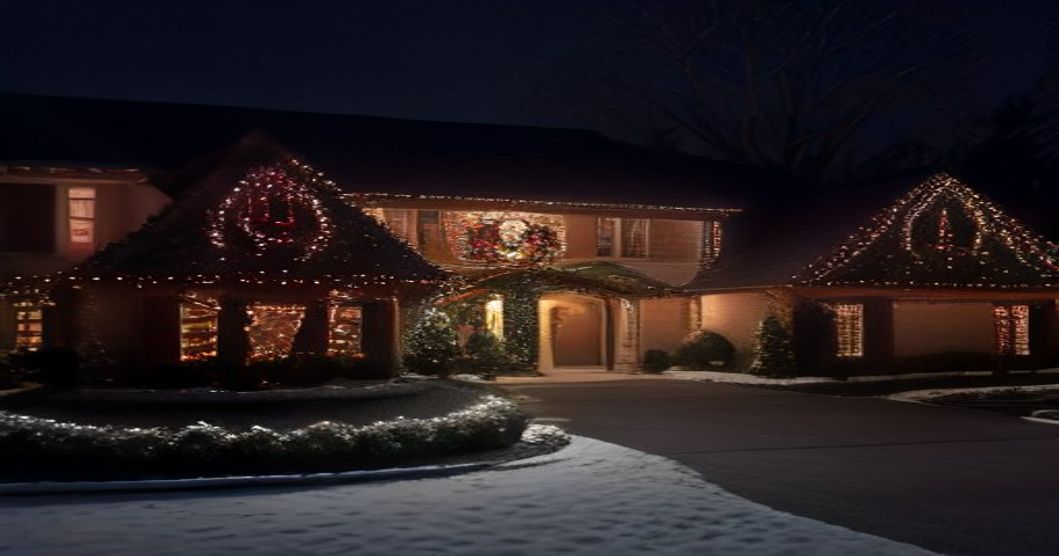
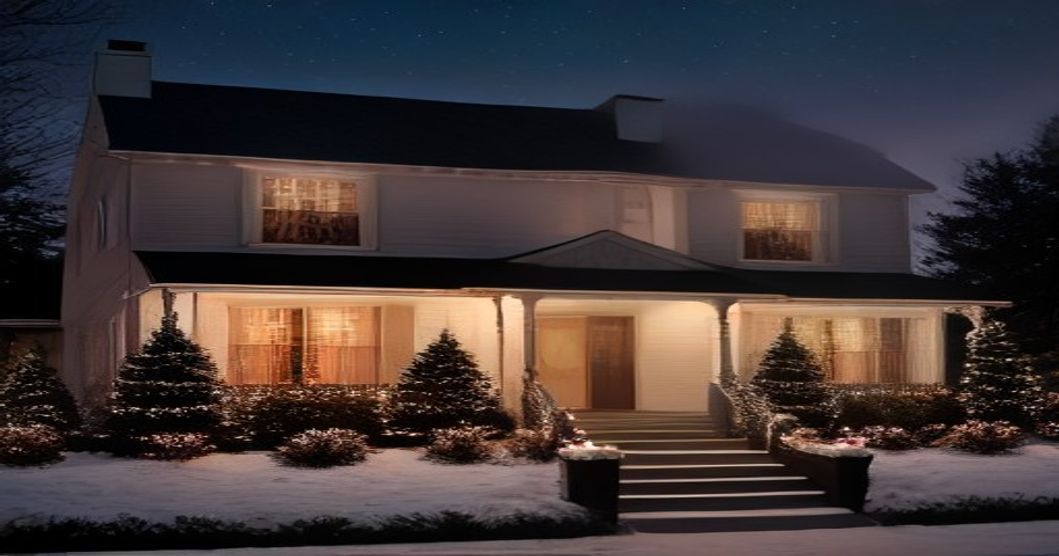
Picture your neighbors' house on December 1st: warm white C9 bulbs tracing every roofline ridge, fresh garlands draping the porch columns, and a matching wreath on every window, installed perfectly, zero extension-cord chaos, not a single bulb out. Now picture your house. If the gap between those two images makes you wince even a little, the problem almost certainly started in October, when every professional installer within 50 miles was already fully booked. The fix is simple, and it starts right now, in September, with a checklist.
Why September Is the Strategic Sweet Spot for Holiday Lighting Planning
September is the last comfortable month to act before the holiday lighting calendar compresses into a frantic sprint. Across the Holiday Lights Decor network, serving homeowners and businesses from Maine and Vermont through New York, New Jersey, Pennsylvania, Maryland, Delaware, and down to Florida, installer schedules begin filling in August and reach near-capacity by the first week of October. By Halloween, the best crews are unavailable for new clients.
The numbers tell the story clearly:
- 60–70% of professional installation slots in the Northeast are claimed before October 1st in a typical season.
- Popular C9 bulb colors, especially warm white and the classic multicolor mix, can sell out at the distributor level by late October when demand spikes simultaneously across multiple markets.
- Homeowners who book in September pay the same rates as July early birds and far less stress than November procrastinators who often accept whoever is still available.
- Custom elements like fresh-cut garlands, oversized bows, and specialty wreaths require 4–6 weeks of lead time from suppliers.
If you missed the July and August early-bird windows (covered in detail in our post on August early-bird holiday light installation booking benefits), September is your second, and final, strategic opportunity. Our guide on when to book Christmas light installation breaks down the full timeline, but the short version is this: book in September, plan in September, and enjoy December.
The Zone-by-Zone Holiday Lighting Planning Framework
A professional display isn't designed room by room, it's designed zone by zone, working from the street inward. This approach ensures visual cohesion, prevents over-lighting one area while neglecting another, and gives your installer a clear scope of work before they ever set foot on a ladder.
Zone 1: Roofline
The roofline is the anchor of any residential or commercial display, the element that reads from 100 feet away and sets the entire color palette. C9 bulbs are the professional standard for rooflines because their 5-watt equivalent LED output projects enough brightness to read clearly against a winter sky, even at dusk.
- Spacing: C9 bulbs are typically spaced 12 inches apart on commercial-grade stringers for a dense, continuous look, or 18 inches apart for a classic, more open effect. Our complete C9 bulb colors, spacing, and roofline installation guide goes deep on this decision.
- Color choice: Warm white (2700K, 3000K) creates an elegant, timeless look and pairs beautifully with natural garlands and wreaths. Multicolor C9s read as festive and nostalgic, ideal for families with children or businesses targeting a playful, high-energy curb appeal.
- Measurement task: Walk your roofline perimeter with a tape measure or use a satellite measurement tool. Note every ridge, valley, dormer, and gable end. A 2,400-square-foot colonial might have 180–220 linear feet of roofline edge, that's 180–220 C9 bulbs minimum at 12-inch spacing.
Zone 2: Trees and Shrubs
Landscape lighting transforms a flat façade into a layered, dimensional display. The key product here is mini lights, specifically warm white or multicolor LED mini lights on green or brown wire depending on whether your trees are evergreen or deciduous.
- Deciduous trees: Wrap the trunk and primary branches with warm white mini lights on brown wire. A mature oak or maple with a 6-inch trunk diameter might require 400–600 lights per tree.
- Evergreen shrubs: Net lights draped over boxwoods and hollies deliver a clean, uniform look in 15 minutes per shrub. Mini light nets in warm white are the professional shortcut here.
- Specimen trees: A single large blue spruce or Colorado fir lit with multicolor mini lights becomes a landmark. These require full wrapping from trunk to tip, plan on 100 lights per vertical foot of tree height.
Zone 3: Entry, Doors, Columns, Railings, and Steps
The entry zone is where garlands and wreaths do their most important work. A front door flanked by garland-wrapped columns, topped with a lit wreath, and accented with red bows signals craftsmanship and intention in a way that roofline lights alone never can.
- Garland: Fresh or faux garland with integrated warm white mini lights wrapped around porch columns (typically 8–10 feet tall) requires 12–15 feet of garland per column when wrapped at a 45-degree angle. Our dedicated post on garland styling secrets and professional techniques covers wrapping patterns, securing methods, and weatherproofing.
- Wreaths: A 24-inch wreath fits a standard door; 30-inch wreaths command attention on double doors or large windows. Pre-lit wreaths with 50–100 warm white mini lights built in are the most popular product in the Holiday Lights Decor catalog. See our guide on wreath decoration mastery from simple bows to complex light integration.
- Railings and steps: Garland wrapped around railings at a loose spiral (one wrap per linear foot) and C9 bulb stringers tucked along step risers complete the entry zone.
Zone 4: Windows
Window lighting creates interior-exterior visual flow that makes a home look inhabited and warm even from across the street. The most effective approach is framing each window with warm white mini lights on the exterior casing, then hanging a wreath in the center of each visible window.
- A standard double-hung window (36" × 60") requires approximately 12 linear feet of mini light stringer to frame all four sides.
- Matching wreaths on every front-facing window, typically 14-inch wreaths for standard windows, creates symmetry that reads as intentional and polished.
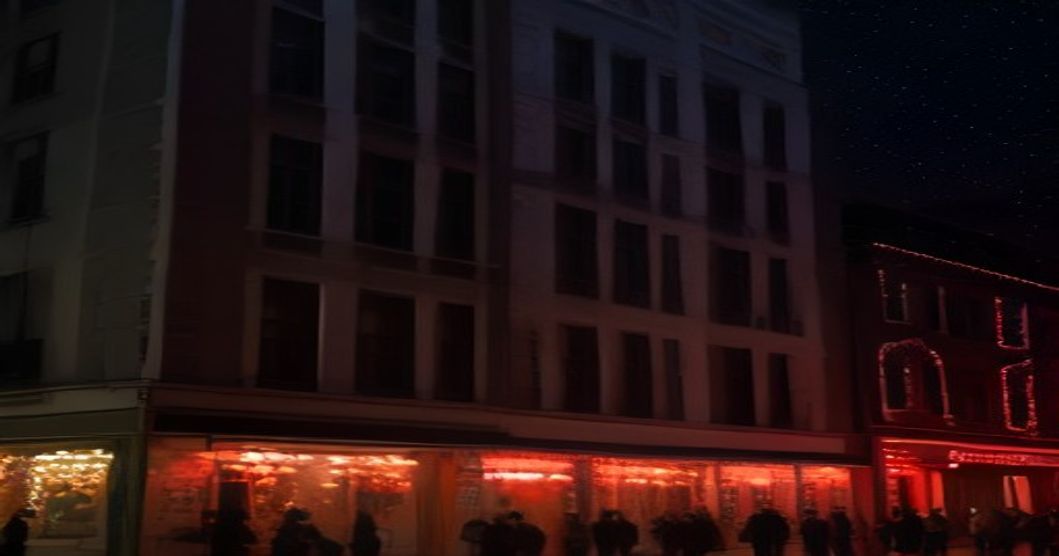
- For businesses and storefronts, window displays deserve their own planning layer. Our post on window display lighting and indoor-outdoor visual flow and our storefront holiday lighting guide cover the commercial angle in detail.
Zone 5: Pathways and Landscape Accents
The walkway from street to door is your guests' first tactile experience of the display. Pathway lighting, whether C9 stake lights spaced 24 inches apart or mini light-wrapped shepherd's hooks, guides the eye and the foot simultaneously. For a deeper dive, see our pathway lighting professional installer guide.
Building Your September Planning Checklist: Week by Week
September has roughly four actionable weeks before October tightens the market. Use this schedule to move from zero to fully booked without scrambling.
- Week 1 (Labor Day through Sept. 7): Walk your property with a notepad. Sketch each zone, measure roofline linear footage, count windows, note tree heights, and photograph every area you want lit. Decide on your color palette, warm white for elegance, multicolor for festive energy, or a hybrid (warm white roofline + multicolor trees).
- Week 2 (Sept. 8–14): Review last year's display honestly. What was missing? Where did DIY shortcuts show? Research the typical cost of professional Christmas light installation so you arrive at your consultation with realistic budget expectations.
- Week 3 (Sept. 15–21): Schedule your professional design consultation. This is the single most important action of the month. Bring your zone sketches, measurements, and photos.
- Week 4 (Sept. 22–30): Review your proposal, approve your product list, sign your installation agreement, and confirm your installation date. Your slot is locked. Everything else is anticipation.
How a Professional Design Consultation Saves You Money
A professional design consultation is not an upsell, it is a cost-control tool. When homeowners attempt to estimate product quantities without professional guidance, they consistently make two expensive mistakes: they over-buy on common products (mini lights) and under-buy on specialty items (C9 bulbs, commercial-grade garland), then pay rush-shipping premiums in November to make up the difference.
Here is what a Holiday Lights Decor design consultation actually delivers:
| Consultation Output | DIY Estimate Approach | Professional Consultation Approach |
|---|---|---|
| C9 bulb count (roofline) | Guessed; typically off by 20–40 bulbs | Exact count from measured linear footage |
| Mini light quantity (trees/shrubs) | Under-estimated; emergency reorders common | Calculated per tree diameter and height |
| Garland linear footage | Often purchased in wrong length multiples | Specified to the foot with wrapping angle factored in |
| Wreath sizing | One size ordered; mismatches on large windows | Mixed sizes specified per opening |
| Electrical load planning | Rarely considered; circuit trips common | Mapped to existing circuits; GFCI outlets flagged |
| Color temperature consistency | Mixed batches; visible color variation | Single-source warm white or multicolor spec |
Beyond product accuracy, the consultation locks in your installation date, the actual scarce resource in October and November. Learn more about what to expect from the process in our post on professional design consultation and planning the perfect holiday display. And if you want to vet your installer before committing, our homeowner's guide to choosing a holiday lighting contractor gives you the exact questions to ask.
Residential vs. Commercial Planning: Key Differences
The zone-by-zone framework applies to both homes and businesses, but the stakes and scale differ significantly. A restaurant or retail storefront has revenue directly tied to curb appeal during the holiday season, our post on restaurant holiday lighting and increasing reservations documents the measurable impact. Commercial clients also need to account for permitting (in some municipalities), extended operating hours for displays, and the durability requirements of high-traffic environments.
For businesses considering a long-term investment, permanent holiday lighting systems eliminate the annual installation-and-removal cycle entirely, a significant operational savings over a 3–5 year horizon. Our permanent Christmas lights cost comparison makes the math transparent. Municipalities and HOAs managing large-scale community displays should explore our municipal lighting services for coordinated, professionally managed programs.
Homeowners wanting to explore the full scope of what's possible can browse our residential holiday lighting services, while business owners can start with commercial holiday lighting options.
What Happens After You Book: The Installation and Storage Cycle
Booking in September means your installation is typically scheduled for late October or early November, before the first hard freeze in the Northeast, when working conditions are still reasonable and ladders aren't skating rinks. After the season, professional takedown and storage through our removal and storage service ensures that your C9 bulbs, mini light stringers, garlands, and wreaths are inventoried, tested, and stored properly so they're ready for next December without a single burnt-out strand or mildewed wreath.
This closed-loop system, design, install, remove, store, reinstall, is what separates a one-time great display from a property that becomes a neighborhood landmark year after year.
Frequently Asked Questions
Why is September specifically the best month to book holiday lighting installation?
September is the last month when professional installers across most markets still have meaningful availability. By early October, the best crews in high-demand areas, including the Northeast corridor from Maine through Maryland and down to Florida, are 70–80% booked. September booking also gives installers enough lead time to source specific products like warm white C9 bulbs, specialty garlands, and custom-sized wreaths before distributor stock depletes in October and November.
How many C9 bulbs do I need for a typical residential roofline?
The standard professional spacing for C9 bulbs on a roofline is 12 inches apart, meaning you need one bulb per linear foot of roofline edge. A typical 2,000–2,500 square foot two-story home has between 160 and 240 linear feet of roofline perimeter, translating to 160–240 C9 bulbs at 12-inch spacing, or 107–160 bulbs at 18-inch spacing. Your installer will measure your specific roofline during the design consultation to give you an exact count before any product is ordered.
What is the difference between warm white and multicolor holiday lighting, and which should I choose?
Warm white holiday lights emit a soft, amber-tinted glow in the 2700K, 3000K color temperature range, creating an elegant, sophisticated look that complements natural materials like garland and wreaths. Multicolor lights, typically red, green, blue, yellow, and orange, evoke classic Americana nostalgia and read as joyful and festive. Warm white is the preferred choice for upscale residential properties, luxury hotels, and restaurants. Multicolor is popular for family homes, retail storefronts targeting families, and any display meant to generate excitement and foot traffic. Many homeowners use a hybrid approach: warm white C9 bulbs on the roofline for architectural definition and multicolor mini lights in trees and shrubs for playful depth.
Does a professional design consultation cost extra, and what does it include?
Holiday Lights Decor offers free design consultations as part of the estimate process. The consultation includes a zone-by-zone assessment of your property, precise product quantity calculations, a color palette recommendation, electrical load review, and a written proposal with itemized pricing. The value of the consultation lies in preventing expensive mistakes, over-ordering common products, under-ordering specialty items, and discovering electrical limitations after installation day. Clients who skip the consultation and self-estimate typically spend 15–30% more in rush orders and returns.
Can I use the same planning checklist for a commercial property or restaurant?
The zone-by-zone framework applies to commercial properties, but with additional considerations: signage lighting, parking lot perimeter lighting, window display coordination with interior décor, permitting requirements in some municipalities, and durability specs for high-foot-traffic areas. Commercial clients should also factor in extended display hours (some businesses run displays 16–18 hours per day) when selecting LED vs. incandescent products. A professional commercial consultation through Holiday Lights Decor addresses all of these variables and produces a scope of work appropriate for the property type.
What happens if I wait until October or November to book?
Waiting until October or November significantly limits your options. Most professional crews are fully booked, meaning you may be limited to whoever is still available, which often means less experienced installers or higher rush-pricing premiums. Popular products, including warm white C9 bulbs in commercial quantities and specific wreath sizes, are frequently backordered at the distributor level by late October. Clients who book in November often end up with a scaled-back display, substituted products, or an installation date in early December rather than the preferred mid-November window when displays have maximum impact.
Your September checklist doesn't need to be complicated, it needs to be started. Walk your property this week, sketch your zones, decide on warm white or multicolor (or both), and contact Holiday Lights Decor for a free design consultation before the calendar flips and your best installer options disappear. One conversation in September is worth ten frantic calls in November.