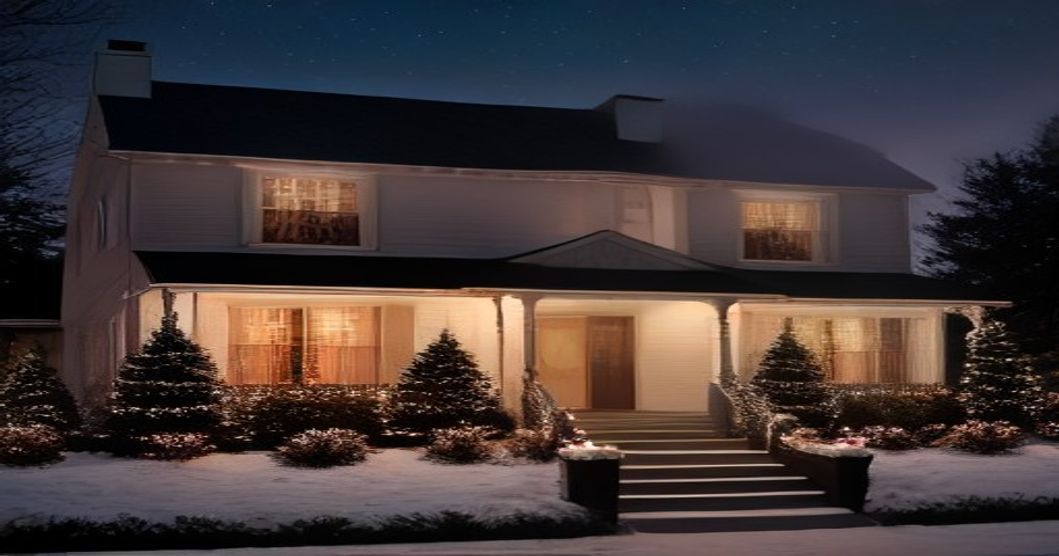
Most homes install Christmas lights between early November and Thanksgiving weekend, so the display is ready to shine the day after Thanksgiving. This post maps the full season from a homeowner's view: when to book, how weather shifts your date, and when to take everything down.
The Ideal Window to Install
The sweet spot for installing exterior Christmas lights runs from the first week of November through the weekend after Thanksgiving. Installing during this stretch means dry, workable weather in most regions, safe roof access before ice arrives, and a finished display that is ready to switch on when the holiday season officially begins for most families. Waiting much past early December often means fighting cold, snow, and shorter daylight hours, all of which slow the work and raise the risk on ladders and steep roofs.
Putting lights up early does not mean lighting them early. Many homeowners have the physical install completed in early November while the strands stay dark until later. Separating install day from switch-on day is the single most useful idea in season planning. It lets you claim good weather and an open crew calendar without turning your street into a holiday scene before anyone expects it. The strands sit ready, and you control the moment they glow.
Why the day after Thanksgiving matters
The day after Thanksgiving is the traditional switch-on point across most of the country. It marks the cultural start of the holiday season, so lighting up then feels timed rather than premature. This is why most homeowners want the physical install finished by Thanksgiving week: the goal is a display that is fully in place and simply needs to be turned on. Planning backward from that date gives you a clear target. Count back two to three weeks for the install itself, and you land in early November as the practical start of the season.
How early is too early to switch on
Installing in early November is fine. Illuminating a full display in early November is where etiquette comes in. A common courtesy is to keep strands dark until after Thanksgiving, or at the earliest the weekend before it, so neighbors are not looking at a lit scene while autumn leaves are still down. If you love an early glow, a softer approach works: light warm white only, keep it low-key, and save the full color show for after the holiday. The install can happen weeks ahead. The switch-on is the part worth timing with some restraint.
When to Book Christmas Light Installation
If you are hiring a crew rather than climbing the ladder yourself, the calendar is not November, it is September and October. Professional installers build their season schedule in early fall, and the best install dates get claimed by returning clients before most people have thought about the holidays. By the time cold weather makes lights feel timely, the prime weekends are already committed. Booking early is not about paying more, it is about securing a date you actually want instead of accepting whatever is left.
There is a practical reason fall decides everything. A crew can only complete so many homes per day, and the entire industry compresses roughly six weeks of demand into a narrow window. Companies serving repeat clients see much of their calendar fill from that base alone. With retention above 70 percent on returning work at our own company since 2006, the pattern is consistent: the earlier you commit, the more control you have over your install date, your design, and any custom material orders that need lead time.
Why September and October decide your date
September and October are when installers lock in their route and staffing for the season. Booking in this window means your home is placed on the schedule while dates are still open, and it gives the crew time to measure, quote, and order any custom-cut strands or specialty bulbs your roofline needs. Wait until November and you are competing with every other last-minute request for the few remaining slots, often on less convenient weekdays. Fall booking also means design conversations happen without pressure, so you get the display you want rather than a rushed version squeezed in before the deadline.
What happens when the schedule fills
Once a Christmas light installation schedule fills, your options narrow fast. Preferred weekend dates disappear first, then the mid-week alternatives, and eventually a company may close its books entirely for the season. Homeowners who call in mid-November frequently hear that the earliest opening is early December, which pushes their switch-on well past Thanksgiving. If you have a hard deadline, a party, a family gathering, a specific date you want lit, treating booking as a fall task rather than a holiday-week errand is the difference between a guaranteed date and hoping for a cancellation to open up.
How Climate Shifts Your Timeline
Where you live changes the entire calendar. Northern regions face an install deadline set by the first freeze and snowfall, which can arrive in November and make roof work slow or unsafe. In these areas, an early-November install is not just convenient, it is often the last comfortable window before ice makes the job harder. Crews in cold climates push to finish early because the weather leaves no margin. A delayed booking in the North carries real consequences beyond a busy schedule.
Warmer regions have more flexibility on install timing but a different set of trade-offs. Milder weather means crews can work later into December without much risk, so the pressure comes from demand rather than climate. The result is that the same fall booking advice applies everywhere, but for different reasons: in the North the weather closes the window, in the South the calendar does. Knowing which constraint drives your area helps you set your own deadline realistically instead of assuming the season works the same nationwide.
Cold climate deadlines and first freeze
In snow-prone states, the practical install cutoff is tied to the first sustained freeze, which commonly lands anywhere from late October to mid-November depending on the year and elevation. Once roofs ice over, safe access drops sharply and crews may decline steep or high work altogether. This is why northern homeowners benefit from a late-October or early-November install even more than the national average suggests. If your area sees early snow, treat the first week of November as your target install date and book in September to make sure a crew can reach you before conditions turn.
Mild region flexibility and demand
In warmer states, weather rarely forces the issue, so installs run smoothly into early and even mid-December. The catch is that everyone knows this, which spreads demand across a longer window but does not reduce it. Crews stay booked, and popular weekends still sell out. The advantage of a mild climate is a wider range of workable dates, not an escape from the schedule. Homeowners here can afford to aim for a mid-November install without weather worry, but they should still book in the fall, because a flexible climate does not make a full calendar any less full.
When the Season Ends in January
The takedown side of the calendar is simpler but often overlooked. Most homeowners plan to have exterior lights removed in the first two weeks of January, after New Year's Day and before the holiday feeling fades entirely. Leaving a full display lit deep into January starts to look forgotten rather than festive, so early January is the customary window to bring the season to a close. If you hired a crew for install, the same company usually handles removal, and that date is worth confirming when you first book.
Timing takedown early in January is also about protecting your home and your materials. Strands left exposed through months of winter weather degrade faster, and clips and fasteners left on a roofline through freeze-thaw cycles are harder to remove cleanly later. Scheduling removal for the first or second week of January keeps the strands in good shape for next season and gets fasteners off before ice locks them in place. The season has a natural close, and honoring it keeps everything ready for the following fall.
When to take down Christmas decorations
The traditional marker for taking down Christmas decorations is Epiphany on January 6, which historically closed the twelve days of Christmas. Many households still use it as their target. In practice, the first two weekends of January cover most takedowns, balancing tradition with the reality of returning to work and normal routines. Exterior lights in particular benefit from earlier removal, since winter weather is hard on them and roof access only gets riskier as January goes on. If you want a clean, unhurried takedown, aim for that first week rather than letting it drift toward February.
When to take down the Christmas tree
The Christmas tree usually comes down on the same timeline as the rest of the indoor decorations, most often between New Year's Day and Epiphany on January 6. A live tree adds a practical reason not to wait: as it dries out it drops needles and becomes a fire risk, so removing it in early January is safer than stretching it into the month. Artificial trees allow more flexibility, but most families still pack them away in that same early-January window to reset the home for the new year. Coordinating tree removal with your exterior light takedown keeps the whole season tidy.
Frequently Asked Questions
Is it bad luck or bad manners to leave lights up past January?
It is not truly bad luck, that idea comes from the old Epiphany tradition on January 6 marking the end of the Christmas season. As for manners, most neighbors do not mind lights that come down in the first couple of weeks of January. Beyond that, a fully lit display starts to read as neglected rather than festive. The stronger reason to remove them is practical: winter weather degrades strands and fasteners, and roof access gets riskier as January goes on. Early January is the tidy, sensible close to the season.
How far in advance should I book a professional installer?
Aim to book in September or October. Installers build their season route in early fall, and returning clients claim the best dates before the holidays feel close. By November, prime weekends are often gone, and you may be offered only a December slot that pushes your switch-on past Thanksgiving. Booking early also gives the crew time to measure, quote, and order any custom materials your roofline needs. If you have a specific date you want lit or a hard deadline like a party, fall booking is the only reliable way to guarantee it.
Can I have lights installed early but keep them off until later?
Yes, and it is the smartest way to plan the season. The physical install and the switch-on are two separate events. Many homeowners have crews install in early November to claim good weather and an open schedule, then leave the strands dark until after Thanksgiving. This lets you avoid the etiquette issue of an early glow while still locking in your preferred install date. The strands sit ready, and you control the exact moment they light up. Just confirm with your installer that the setup allows easy on and off, which most modern installs do.
Does my region really change when I should install?
It does, mainly through weather. In northern, snow-prone areas, the first freeze can arrive in November and make roof work slow or unsafe, so early-November installs are wise and fall booking is essential to beat the ice. In milder regions, crews can work comfortably into December, giving you a wider range of workable dates. The national target of early November through Thanksgiving week fits most homes, but the reason to hit it differs: in the North the weather closes your window, while in warmer areas the busy schedule is the limiting factor.