
Key Takeaways
- C9 bulbs spaced 12 inches apart are the professional standard for single-story rooflines; two-story and gable peaks require 6-inch spacing for visual density at greater height.
- DIY roofline work is the leading cause of holiday-related fall injuries, licensed professional installers carry full liability coverage so you never bear that risk.
- Warm white C9 bulbs deliver timeless, elegant curb appeal; cool white reads crisp and modern; multicolor maximizes festive impact and neighborhood visibility.
- Booking professional roofline installation before mid-October locks in the best scheduling slots across our network from Maine to Florida.
- A professional design consultation ensures bulb count, color, and run length are calculated precisely, no guesswork, no exposed gaps, no overloaded circuits.
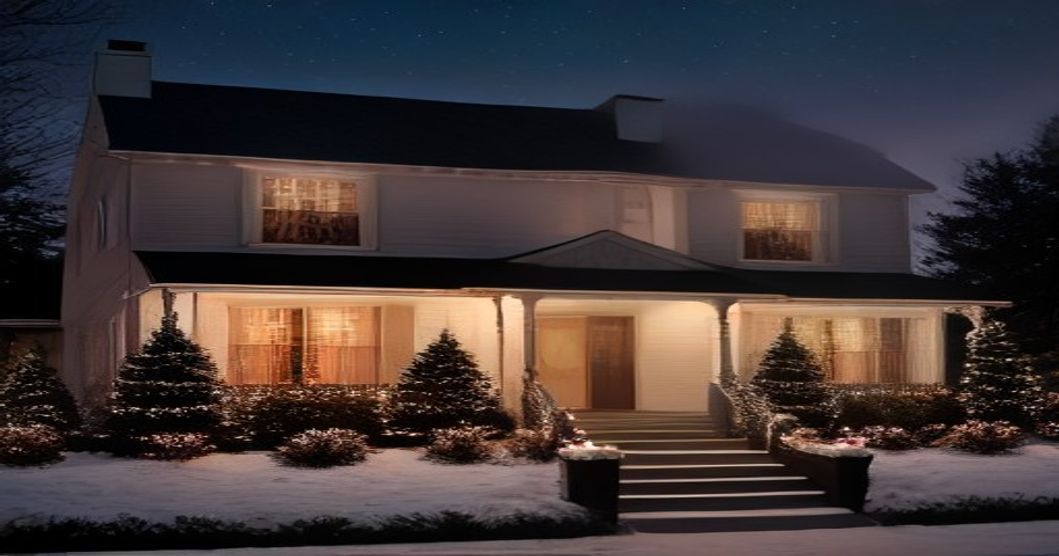
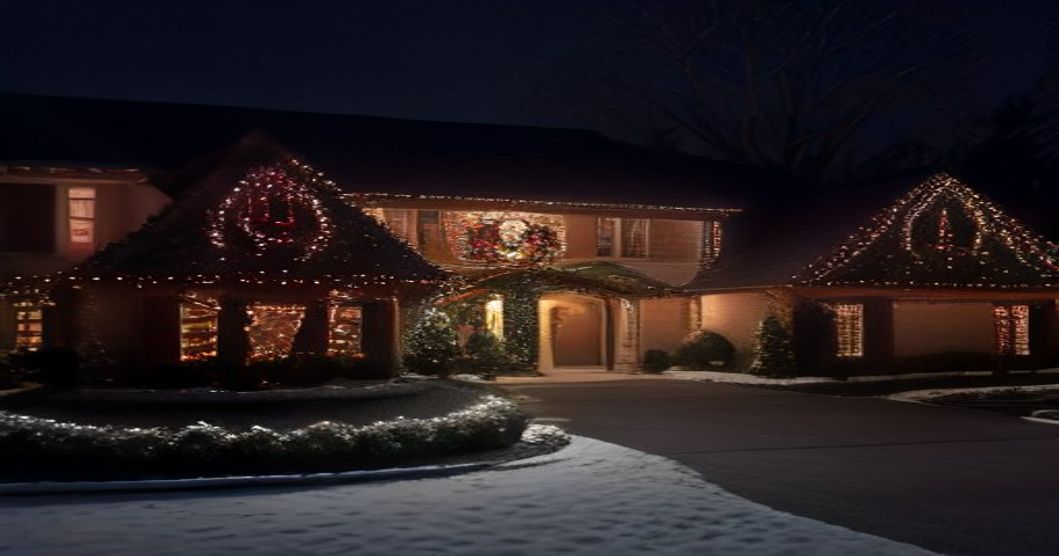
Picture a New England colonial on a quiet December evening: its roofline traced in warm white C9 bulbs, every gable peak wrapped with perfect symmetry, the light spilling gold across a fresh coat of snow. Now picture the same house with bulbs spaced unevenly, one strand dead in the middle, and a section of gutters sagging where someone leaned a ladder wrong. The difference between those two images is almost never the lights themselves, it's who hung them. Professional roofline holiday lighting installation with C9 bulbs is one of the highest-impact upgrades a homeowner can make each season, and getting the details right, spacing, color, safety, is exactly what separates a show-stopping display from a disappointing one.
Why C9 Bulbs Are the Gold Standard for Rooflines
C9 bulbs are the preferred choice for roofline holiday lighting because their larger size, typically 1.5 inches in diameter, produces enough light output to read clearly from the street, even against a two-story facade or across a wide front yard. Standard mini lights simply disappear at distance; C9s command attention.
Modern C9 LED replacements draw as little as 0.5 watts per bulb compared to 7 watts for traditional incandescent versions, meaning a 100-bulb run costs roughly $0.04 per hour to operate instead of $0.70. Over a 45-day display running six hours nightly, that's the difference between about $8 and $189 in electricity. Professional installers use commercial-grade C9 sockets on SPT-1 or SPT-2 wire, heavier gauge than anything sold at a big-box store, which handles outdoor temperature swings from sub-zero Vermont nights to mild Florida Decembers without cracking or shorting.
For a deeper breakdown of bulb types, colors, and spacing formulas, see our C9 bulb colors, spacing, and roofline installation complete guide and our dedicated C9 bulb complete guide for perfect rooflines.
C9 Spacing Standards: Single-Story, Two-Story, and Gable Peaks
Correct C9 spacing is the single most important technical decision in roofline installation, and the right answer changes based on roofline height and pitch.
Single-Story Rooflines
For homes with a standard 8-to-10-foot eave height, 12-inch bulb spacing is the professional benchmark. At that distance from the street, typically 20 to 40 feet, bulbs 12 inches apart create a continuous ribbon of light without visible dark gaps. Going wider than 12 inches (18 inches is a common DIY mistake) produces a dotted, incomplete look. Going tighter than 9 inches on a single-story roofline wastes materials without a proportional visual payoff.
- Standard spacing: 12 inches on center
- Minimum recommended: 9 inches for extra-long eave runs
- Maximum acceptable: 12 inches, never exceed this on a single-story
Two-Story Rooflines
On a two-story home, typically 18 to 24 feet at the eave, the increased viewing distance compresses the apparent spacing. What looks like 12 inches from the ground at 8 feet looks like a sparse dotted line at 22 feet. Professional installers drop to 6-inch spacing on second-story rooflines to maintain the same visual density. Yes, this doubles the bulb count and the material cost, but it's the only way to achieve a polished result. A 60-foot two-story eave run at 6-inch spacing requires 120 C9 sockets versus 60 at 12-inch spacing, budget accordingly.
Gable Peaks and Dormers
Gable peaks present the steepest challenge. The geometry of a pitched gable means installers must follow the rake edge from eave corner to ridge, then back down the other side, often at a 6-to-12 pitch or steeper. At these angles, 6-inch spacing is standard regardless of story height, because the peak itself is typically the most prominent visual point on the facade. Dormers get the same treatment: outline the full perimeter at 6-inch spacing, treating each dormer as a miniature roofline within the larger display.
| Roofline Section | Typical Height | Recommended C9 Spacing | Notes |
|---|---|---|---|
| Single-story eave | 8–12 ft | 12 inches | Standard professional spacing |
| Two-story eave | 18–24 ft | 6 inches | Double bulb count vs. single-story |
| Gable rake edge | Varies | 6 inches | Always 6 in regardless of story |
| Dormers | Varies | 6 inches | Treat as independent roofline |
| Ridge line (optional) | Peak only | 12 inches | Used for emphasis displays |
The Real Safety Case for Professional Installation
Falls from ladders during holiday decorating send more than 160,000 Americans to emergency rooms every year, according to the Consumer Product Safety Commission, and roofline work is the highest-risk category. A 16-foot extension ladder on an icy Massachusetts driveway in November, or an aluminum ladder leaned against vinyl gutters on a New Jersey colonial, represents genuine danger that no amount of YouTube tutorials eliminates.
What DIY Roofline Work Actually Involves
Completing a two-story roofline installation means repositioning a ladder every 3 to 4 feet along the entire eave run, potentially 15 to 25 repositions for a standard home, each requiring a full climb and descent while carrying tools, wire, and bulbs. Add a steep-pitched gable, wet leaves, or December wind, and the risk compounds with each move. A professional crew uses stabilizers, stand-off brackets, roof hooks, and fall-arrest harnesses on steep pitches. They also know how to read gutter integrity before loading it, something most homeowners cannot assess.
Liability Coverage: Why It Matters for You
Licensed holiday lighting contractors carry both general liability insurance and workers' compensation coverage. If a crew member is injured on your property and the contractor lacks workers' comp, you, the homeowner, can be held financially responsible in many states. If a ladder slips and damages your siding, gutters, or landscaping, a licensed contractor's liability policy covers the repair. Always ask for a certificate of insurance before any installer sets foot on your property. Our guide on how to choose a holiday lighting contractor walks through every question you should ask before signing.
Choosing the Right C9 Color for Your Roofline
Color selection for a roofline display is a permanent-feeling decision, these bulbs define your home's personality for six to eight weeks, and neighbors and passersby form impressions fast. The three dominant choices each serve a distinct aesthetic goal.
Warm White: Classic Elegance
Warm white C9 bulbs, typically rated at 2700K to 3000K color temperature, produce the amber-tinged glow most people associate with traditional holiday lighting. Against red brick or cedar shingles (common across Connecticut, Pennsylvania, and Maryland), warm white creates a cohesive, upscale look. It photographs beautifully in low light and pairs naturally with greenery accents like garland and wreaths. If your goal is understated sophistication, warm white is the answer almost every time. For more on the science behind these color temperatures, see our post on color temperature science for warm and cool white holiday lighting.
Cool White: Crisp and Contemporary
Cool white C9 bulbs (5000K to 6500K) read as bright, icy, and modern. On contemporary architecture, flat or low-slope rooflines, fiber cement siding, dark paint colors, cool white delivers striking contrast. In coastal communities from Rhode Island to Florida, cool white also evokes a nautical, fresh-air quality that complements the regional palette. The risk with cool white is that it can feel clinical if not balanced with warmer accent elements elsewhere in the display.
Multicolor: Maximum Festive Impact
Traditional multicolor C9 bulbs, red, green, blue, orange, and yellow, deliver the boldest curb appeal of any roofline option. They read from greater distances than any single-color scheme and signal unambiguous holiday celebration. Multicolor rooflines work especially well on larger homes where the scale of the display supports visual complexity, and on streets where neighboring displays are understated (yours will stand out). The key to making multicolor rooflines look intentional rather than chaotic is consistent spacing, which is exactly where professional installation earns its value.
Want to explore how color psychology drives these choices? Our post on the psychology of holiday colors goes deep on why certain combinations trigger specific emotional responses in viewers.
What a Professional Roofline Installation Actually Includes
A full-service roofline installation from Holiday Lights Decor's national network is more than hanging lights, it's a managed process from design to takedown.
- Site assessment and design consultation: A trained installer measures every roofline section, calculates exact bulb counts, identifies electrical access points, and notes any structural concerns (damaged gutters, soft fascia, missing shingles at the rake edge). Learn more about our professional design consultation process.
- Custom wire assembly: Commercial-grade C9 socket wire is cut and configured to your exact roofline dimensions, no splices mid-run, no extension-cord jury rigs.
- Safe installation by trained crews: Every installer uses proper ladder equipment and follows OSHA-compliant fall-protection practices on elevated sections.
- Timer and electrical management: Outdoor-rated timers are programmed and all circuits are load-tested before the crew leaves.
- Mid-season service: If a bulb or fuse fails during the display season, our network dispatches a tech, you don't climb a ladder in January.
- Takedown and storage: After the season, everything is removed, inspected, and stored properly for reuse the following year. See our removal and storage service for details.
Explore the full range of what our network offers at residential holiday lighting services, and review real installation cost breakdowns at our Christmas light installation cost guide.
When to Book: Timing Your Roofline Installation
Across our service network, from Maine and Vermont in the north to Florida in the south, professional installation calendars fill in a predictable pattern. September bookings get first-choice scheduling and often qualify for early-bird pricing. October is the last month for relaxed scheduling. By early November, crews across New England, the Mid-Atlantic, and the Southeast are fully committed, and new clients face waitlists.
The September planning window is particularly critical for two-story homes and complex gable configurations, which require longer crew time and more materials to prep. Our September holiday lighting planning checklist and August early-bird booking benefits post both explain exactly why earlier is always better. For a full scheduling framework, see when to book Christmas light installation.
If you're a business owner, roofline C9 displays are equally powerful for storefronts, restaurants, and commercial buildings, visit our commercial holiday lighting services page or read how storefront holiday lighting drives foot traffic.
Frequently Asked Questions
What is the correct spacing for C9 bulbs on a roofline?
The correct spacing for C9 bulbs on a single-story roofline is 12 inches on center, this creates a continuous ribbon of light at standard street-viewing distances of 20 to 40 feet. For two-story rooflines and all gable rake edges, professional installers use 6-inch spacing to compensate for the greater viewing distance and maintain the same visual density. Using wider spacing, such as 18 inches, results in a dotted, incomplete appearance that significantly diminishes the overall display quality.
Are C9 LED bulbs worth the extra cost over incandescent?
Yes, C9 LED bulbs are almost always worth the investment for roofline displays. A single C9 LED draws approximately 0.5 watts versus 7 watts for incandescent, reducing electricity costs by up to 93%. On a 100-bulb roofline running six hours per night for 45 days, LEDs cost roughly $8 in electricity compared to $189 for incandescent. LED C9s also run cooler (reducing fire risk), last 25,000 to 50,000 hours versus 1,000 to 3,000 for incandescent, and maintain consistent brightness through cold-weather temperature swings.
Is DIY roofline holiday lighting installation safe?
DIY roofline holiday lighting installation carries significant safety risks that most homeowners underestimate. The Consumer Product Safety Commission reports more than 160,000 ladder-related injuries annually during the holiday decorating season, with roofline work being the highest-risk category. Two-story and gable installations require repeated ladder repositioning, sometimes 20 or more times per job, at heights where a single misstep causes serious injury. Professional installers use commercial ladder stabilizers, roof hooks, and fall-arrest systems, and carry full liability insurance so that any property damage or on-site injury is covered by the contractor, not the homeowner.
What C9 color looks best on a roofline, warm white, cool white, or multicolor?
The best C9 color for a roofline depends on your home's architecture and the aesthetic you want. Warm white (2700K, 3000K) is the top choice for traditional homes, brick colonials, Cape Cods, Victorians, where it creates an elegant, timeless glow that photographs beautifully. Cool white (5000K, 6500K) suits contemporary architecture and coastal homes with its crisp, icy appearance. Multicolor C9 bulbs deliver maximum festive impact and strong curb appeal from a distance, making them ideal for larger homes or homeowners who want their display to be the boldest on the block. A professional design consultation can match the best option to your specific home style and neighborhood context.
How far in advance should I book a professional roofline C9 installation?
You should book professional roofline C9 installation by mid-September at the latest for guaranteed first-choice scheduling. Across our network spanning Maine to Florida, professional installation calendars begin filling in August and are typically fully committed for new clients by early November. Two-story homes and properties with complex gable configurations take longer to install and are prioritized to early-booking clients. Booking in September also opens access to early-bird pricing discounts at many franchise locations. Waiting until late October or November significantly limits your options and may result in waitlist placement.
Does Holiday Lights Decor handle both installation and removal of roofline lights?
Yes, Holiday Lights Decor's nationwide franchise network provides full-service installation, mid-season maintenance, and post-season removal and storage. After the holiday season concludes, our crews return to safely remove all C9 wire runs, inspect each strand and bulb for damage, and store your display materials properly so they're ready for reinstallation the following year. This eliminates the most dangerous part of DIY decorating, the January takedown in cold, potentially icy conditions, and ensures your investment lasts for multiple seasons.
Ready to transform your roofline this holiday season? Contact Holiday Lights Decor today for a free estimate, our design team will measure your roofline, recommend the right C9 spacing and color for your home, and get you on the schedule before the fall rush closes out the calendar.