
Key Takeaways
- Always verify insurance, warranty terms, and takedown policies before signing any holiday lighting contract.
- Contractor-grade C9 bulbs and commercial LED mini lights outlast retail store lights by years, and are safer on your home's electrical system.
- Booking your installation in June, July, or August locks in better pricing, preferred dates, and a dedicated design consultation before the fall rush.
- A full-service holiday lighting package includes design, installation, mid-season maintenance, takedown, and storage, not just hanging the lights.
- Established franchise networks offer consistent quality, accountability, and insured crews that one-season fly-by-night operations simply cannot match.
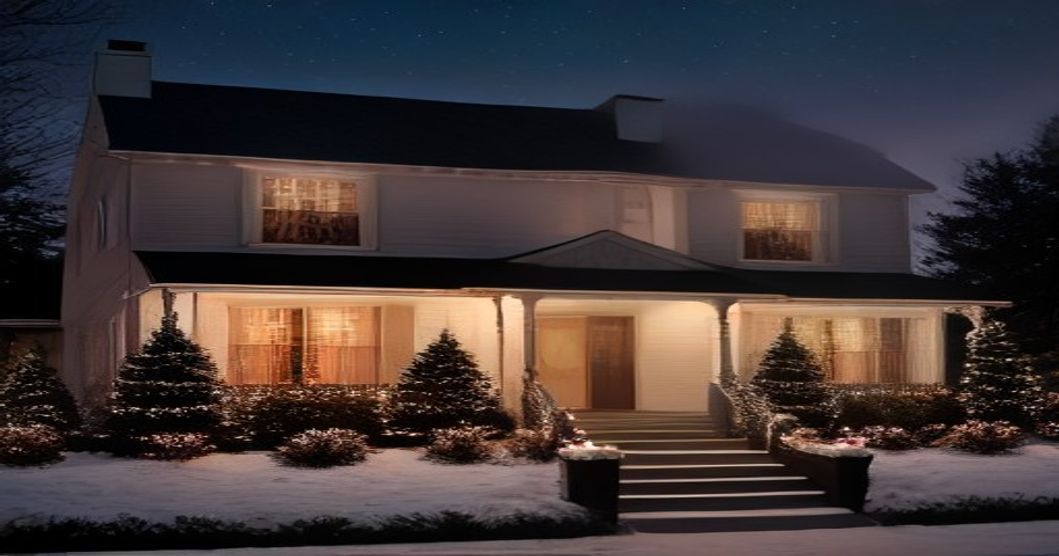
Picture this: a neighbor's house goes dark on December 18th, half the roofline dead, a string of warm white C9 bulbs hanging loose from a gutter, and no contractor answering the phone. It happens every single holiday season across the country, from Connecticut capes to Florida ranch homes, because homeowners hired the wrong company. Choosing a professional holiday lighting installer is not about finding the cheapest quote on a yard sign; it's about vetting a partner who will show up, stand behind their work, and make your property shine from Thanksgiving through New Year's without a single stressful call on your end. This guide gives you every question, every red flag, and every insider tip you need to get it right the first time.
What to Ask Before You Sign: The Non-Negotiable Contract Questions
The most important conversation with any holiday lighting contractor happens before a single clip hits your roofline, and it starts with four fundamental topics: insurance, warranty, takedown policy, and equipment ownership.
Insurance and Licensing
A legitimate professional holiday lighting installer carries general liability insurance (minimum $1 million per occurrence is standard in the industry) and workers' compensation for every crew member on your property. Ask to see the certificate of insurance, not just a verbal assurance. If a worker falls from a ladder on your property and the company has no workers' comp, you could be exposed to liability. Established franchise networks maintain current coverage year-round and can produce documentation within 24 hours of your request.
Warranty and Mid-Season Service
Quality contractors guarantee their displays for the entire season. That means if a string of LED mini lights goes dark in December, they return to fix it, at no charge. Ask specifically: "What is your response time for a mid-season service call?" The best companies commit to 48–72 hours. Get that promise in writing. A contractor who hesitates on this question is telling you something important.
Takedown and Storage Policy
A true full-service package includes scheduled takedown after the season (typically January) and proper storage of the equipment. Ask whether the lights belong to you or to the company. Many professional installers own the commercial-grade equipment, C9 bulbs, roofline clips, commercial-grade extension cords, and store it between seasons, which actually protects the investment and ensures consistent quality year after year. If you're curious about what removal and storage services look like in practice, our removal and storage service page lays it out clearly.
Questions Checklist Before Signing
- Can you provide a certificate of general liability insurance and workers' compensation?
- Is the warranty for the full display duration, and what's the service call response time?
- Who owns the equipment, you or the company?
- Is takedown and storage included, or priced separately?
- What happens if a product is discontinued and needs replacement next season?
- Do you offer a free design consultation before installation?
Red Flags That Separate Fly-By-Night Crews from Established Professionals
Seasonal gig crews appear every October with a truck, a staple gun, and a social media page, and disappear by January, taking your deposit with them. Here's how to spot them before you sign anything.
Signs of an Unreliable Contractor
- No physical business address. A PO box or purely digital presence with no verifiable location is a warning sign.
- Cash-only or large upfront deposit demands. Reputable companies may require a reasonable deposit (10–25% is typical), but a 50% or full upfront cash payment is a red flag.
- No portfolio or only current-season photos. A professional company can show you work from multiple seasons and multiple property types.
- Vague contract language. Phrases like "lights installed as agreed" without specifications on bulb type, color temperature, clip spacing, or service terms indicate a company protecting itself, not you.
- No mention of commercial-grade equipment. If a contractor plans to use retail box-store lights on your home, that is a quality and safety issue (more on this below).
- Unavailable in summer. A company that doesn't answer calls until October is not managing demand, it's scrambling.
Franchise networks like Holiday Lights Decor operate across multiple states, from Maine and Vermont through the mid-Atlantic and down to Florida, with trained, insured crews, standardized quality benchmarks, and accountability structures that solo seasonal operators simply cannot replicate. That consistent infrastructure is what keeps your display looking identical to the gorgeous photos in the portfolio, season after season.
Why Booking in Summer Changes Everything
Homeowners who book their holiday lighting installation between June and August consistently receive better pricing, more flexible scheduling, and a richer design process than those who call in October. This isn't marketing, it's simple supply and demand math.
By September, top-tier installers in busy markets are already 60–80% booked for prime November installation windows. When you book early in June, you're working with a designer who has time to walk your property, understand your architecture, discuss warm white versus cool white versus multicolor palettes, and specify exactly where C9 bulbs will run the roofline versus where LED mini lights will wrap the shrubs. That conversation becomes rushed or impossible in October.
Summer Booking Advantages at a Glance
| Booking Window | Pricing | Date Availability | Design Consultation | Custom Requests |
|---|---|---|---|---|
| June, August | Best rates, early-bird discounts common | Full calendar open | Dedicated, unhurried session | Easily accommodated |
| September, October | Standard pricing | Limited prime dates | Shorter consultation windows | Possible with lead time |
| November | Rush premiums may apply | Waitlist likely | Minimal or none | Difficult to fulfill |
If you're thinking about planning your holiday lighting budget this summer, you're already ahead of the majority of homeowners in your market. A professional design consultation scheduled in summer gives designers the runway to source specific warm white C9 bulbs for your Victorian-style trim or specify the exact cool white mini light density for your roofline peak.
Contractor-Grade Equipment vs. Retail Store Lights: Why It Matters
The gap between commercial-grade holiday lighting and the boxes stacked at your local big-box store is not cosmetic, it's structural, electrical, and safety-related.
Bulbs: C9 and LED Mini Lights
Professional installers use commercial-grade C9 bulbs with ceramic bases, UV-stabilized lenses, and individually replaceable sockets. Retail C9 strings use thinner wire gauges (often 22 AWG versus the industry-standard 18 AWG), cheaper bases, and bulbs that fade within two seasons. The difference in color consistency alone, whether you're running warm white at 2700K or cool white at 5000K, is visible from across the street. Our color temperature science guide explains exactly why that Kelvin number matters for your display's final look.
Wiring and Connections
Commercial-grade extension cords used by professional crews are rated for outdoor use, wet conditions, and continuous duty, typically 12 or 14 AWG with SJTW-rated insulation. Retail extension cords often carry warnings against daisy-chaining (connecting multiple strands end-to-end), which is exactly how a roofline installation works. A contractor using retail cords on a long roofline run is creating a fire hazard.
Roofline Clips
Proper roofline clips grip your shingles or gutters without puncturing or staining them. Cheap plastic clips crack in cold weather, allowing wires to shift and sag. Professional installers match the clip type to your specific roofing material, asphalt shingles, metal roofing, tile, or foam fascia, and space them precisely (typically every 12 inches for C9 strings) for a clean, taut line.
Quick Comparison: Commercial vs. Retail Lights
- Wire gauge: Commercial 18 AWG vs. retail 22 AWG, thicker wire means safer, more durable circuits
- Bulb base: Ceramic commercial base vs. plastic retail base, ceramic resists cracking in freeze-thaw cycles
- Cord rating: SJTW outdoor-rated vs. SPT-1 indoor/temporary, critical for wet-weather safety
- Lifespan: Commercial LEDs rated 50,000+ hours vs. retail LEDs rated 15,000–25,000 hours
- Color consistency: Binned LEDs for uniform color across strings vs. retail variation batch-to-batch
How to Evaluate a Portfolio and Read Reviews Like a Pro
A contractor's portfolio and review history tell you two different but equally important things: what they're capable of, and whether they do it consistently.
Evaluating the Portfolio
Look for photos that span multiple seasons and multiple property types. A company with only one season of photos hasn't proven longevity. Look for consistent bulb spacing on rooflines, uneven gaps suggest rushed installation. Check that multicolor displays use LED mini lights with true color saturation, not washed-out retail strands. Look for clean corner wraps on roofline clips, symmetrical wreath placement, and garland lines that follow the architecture rather than fighting it. If you're curious about what elevated garland work looks like, our garland styling guide shows the professional techniques that separate good from great.
Reading Reviews Intelligently
- Filter for reviews mentioning specific crews, not just generic praise, "Mike's team was on time and cleaned up" is more credible than "great service!"
- Look for reviews that mention the season end-to-end: installation, mid-season service, and takedown.
- Check how the company responds to negative reviews, professionalism in a response reveals company culture.
- Verify the review platform (Google Business Profile, BBB) rather than relying solely on testimonials hosted on the company's own website.
- Look for repeat customers, a reviewer who mentions "third year in a row" is the most powerful signal of consistent quality.
Full-Service Package vs. Install-Only: Know Exactly What You're Buying
A full-service holiday lighting package and a basic install-only quote can look similar on the surface but deliver dramatically different experiences, and dramatically different final prices once you add up the extras.
What a Full-Service Package Includes
- Design consultation: An on-site or virtual walkthrough to plan bulb types, colors, clip placement, and accent lighting for trees, shrubs, and architectural features.
- Professional installation: Insured crew, commercial-grade equipment, proper clip installation matched to your roofing material.
- Mid-season maintenance: At least one proactive check-in plus guaranteed response to any outages within 48–72 hours.
- Takedown: Scheduled removal after the season, typically in January, handled entirely by the crew.
- Storage: Company stores the equipment in climate-controlled conditions, protecting your investment for next season.
An install-only quote typically covers labor to hang lights you provide, with no design input, no mid-season service guarantee, no takedown, and no storage. The upfront number looks lower, but you're absorbing all the risk and all the hidden work. For homeowners exploring residential holiday lighting services or business owners reviewing commercial holiday lighting options, understanding this distinction before comparing quotes is essential.
Some homeowners also discover that permanent lighting systems, installed once and programmed seasonally, offer the best long-term value, especially for properties that want year-round curb appeal beyond December. And for properties with mature trees, professional tree lighting services add a dimension of drama that roofline work alone can't achieve.
Making Your Final Decision: A Simple Framework
After gathering quotes, reviewing portfolios, and confirming insurance, use this three-part framework to make your final call.
1. Accountability Test
Does the company have a verifiable physical presence, a named point of contact for your project, and a written contract with specific terms? If any of those three are missing, move to the next candidate.
2. Equipment Standard Test
Ask the contractor to specify the wire gauge of the extension cords they'll use, the bulb base type for C9 strings, and the clip type for your specific roof material. A professional can answer all three immediately. Hesitation or vague answers suggest retail-grade equipment and inexperienced crews.
3. Relationship Test
Holiday lighting is an annual relationship, not a one-time transaction. Does the company feel like a partner, someone who remembers your preferences, reaches out proactively in summer, and treats your property with care? The best franchise networks build multi-year relationships with homeowners, refining the display each season based on your feedback. That continuity is what transforms a good holiday display into a neighborhood landmark.
Ready to start the conversation? Request your free estimate and connect with a Holiday Lights Decor design consultant in your area, we serve homeowners and businesses across the Northeast, mid-Atlantic, and Florida, and summer is the perfect time to get on the calendar before the rush begins.
Frequently Asked Questions
How do I know if a holiday lighting contractor is properly insured?
Ask the contractor to provide a certificate of insurance listing general liability coverage (at least $1 million per occurrence) and workers' compensation for all crew members. A legitimate professional holiday lighting installer can produce this document within 24 hours. If the contractor cannot provide a current certificate or only offers verbal assurances, do not proceed, any on-property accident without proper coverage could expose you to significant liability.
What is the difference between commercial-grade and retail holiday lights?
Commercial-grade holiday lights use heavier wire gauges (18 AWG vs. retail 22 AWG), ceramic bulb bases that resist cracking in cold weather, and SJTW-rated outdoor cords safe for continuous wet-weather use. Commercial LED mini lights and C9 bulbs are also color-binned for uniform appearance across strings, something retail lights do not guarantee. The result is a safer installation, more consistent color (whether warm white, cool white, or multicolor), and a lifespan two to three times longer than retail alternatives.
Why should I book my holiday lighting installation in the summer?
Booking between June and August gives you access to the best pricing, the widest range of available installation dates, and an unhurried design consultation before the fall rush. By October, top installers across markets from New England to Florida are often 60–80% booked for prime November windows. Summer booking also allows time to plan custom details, specific bulb colors, architectural accents, tree wrapping, that become difficult or impossible to accommodate on short notice.
What should a full-service holiday lighting package include?
A true full-service holiday lighting package includes an on-site design consultation, professional installation using commercial-grade equipment (C9 bulbs, LED mini lights, proper roofline clips, and outdoor-rated extension cords), a mid-season maintenance guarantee with a defined service-call response time (typically 48–72 hours), scheduled takedown after the season, and equipment storage. Any quote that omits design consultation, mid-season service, or takedown is an install-only quote, compare total costs carefully before choosing based on price alone.
What are the biggest red flags when vetting a holiday lighting company?
The most common red flags include: no verifiable physical business address, demands for large upfront cash payments (over 25% is unusual), inability to produce a certificate of insurance, vague contract language without equipment specifications, a portfolio limited to a single season, and unavailability during summer months. Companies that use retail-grade lights and cords rather than commercial-grade equipment are also a safety and quality concern. Established franchise networks with multi-state operations and trained, insured crews are the most reliable alternative to seasonal fly-by-night operators.
Who owns the holiday lights after installation, me or the contractor?
Ownership varies by company model. Many professional holiday lighting installers own the commercial-grade equipment and lease the display to you each season, storing and maintaining the lights between installations. This model actually benefits homeowners because the contractor has a financial incentive to maintain the equipment in top condition. Some companies offer a purchase option. Always clarify ownership terms in the written contract before signing, and confirm what happens to the equipment if you decide not to renew the following year.