Permanent Christmas lights cost most homes between $2,000 and $6,000 professionally installed, with kits running lower and premium jobs higher. This post breaks down what drives that number, the payback math against yearly seasonal hanging, durability, and the honest cases where they are not worth it.
What Drives the Price of a Permanent System
The cost of permanent outdoor Christmas lights is not one number. It is a stack of variables: the linear footage of your roofline, the number of stories, the quality of the LED track, the controller, and whether a crew installs it or you do. A single-story ranch with a simple roofline sits at the low end. A two-story home with dormers, peaks, and detached structures climbs quickly because every extra run of track and every ladder repositioning adds labor and material.
Most professionally installed systems land between $20 and $40 per linear foot of installed track, all in. A typical home has 150 to 250 feet of coverage, which is where the $2,000 to $6,000 range comes from. Understand what sits inside that price before you compare quotes, because two bids can look far apart and still describe the same finished result.
Track Quality and LED Count
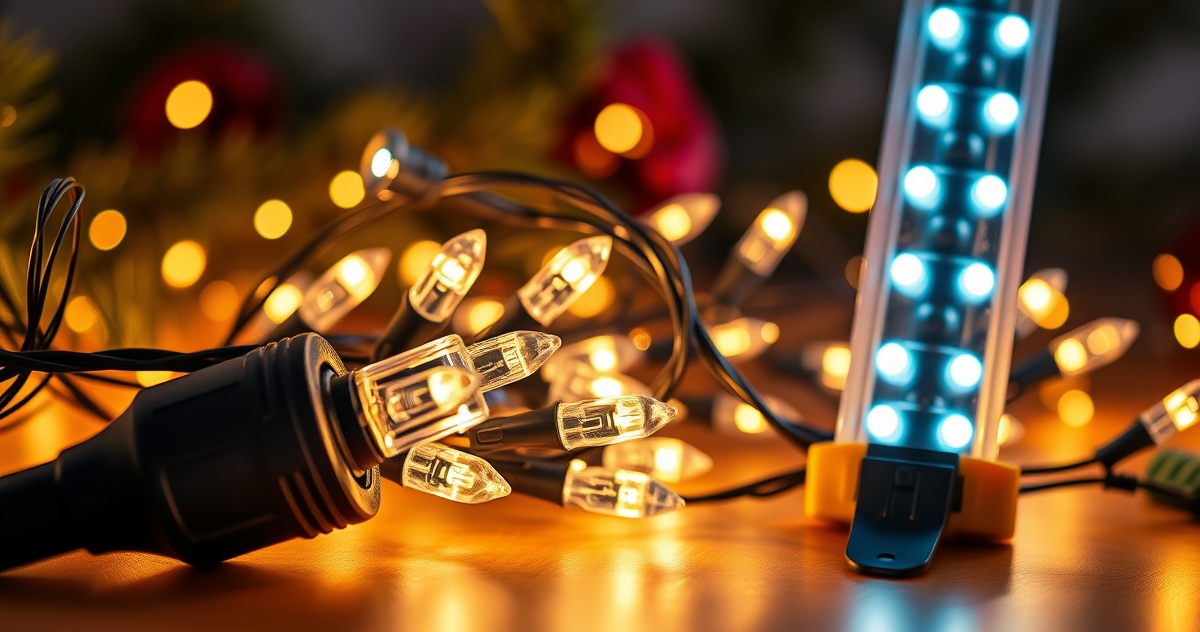
The channel that holds the diodes is the part you never see and the part that decides longevity. Cheaper track uses thinner aluminum or plastic that fades and warps under UV and heat. Better track uses powder-coated aluminum matched to your trim color so it disappears in daylight. LED spacing matters too. Systems with diodes every inch or two produce a cleaner line of light than sparser ones. More diodes and denser spacing cost more upfront but read as a solid ribbon rather than visible dots, which is the look most homeowners actually want when they picture permanent lights on the house.
Professional Install Versus DIY Kit
A DIY kit can cut your material-plus-labor total roughly in half, since labor is often 40 to 60 percent of a professional quote. Kits ship pre-cut or in adjustable sections you clip under the eave yourself. The tradeoff is real: you handle the ladder work, the measuring, the wiring runs, and the warranty terms are usually narrower. Professional installs cost more but include measured layout, clean cable management, tested controllers, and a labor warranty. If you are comfortable on a two-story ladder and patient with wiring, a kit saves money. If not, the install fee buys safety and a finished look.
Comparing Jellyfish Lighting Cost and Other Brands
Jellyfish Lighting is one of the more recognized names in this category, and jellyfish lighting cost typically runs at the higher end, often $3,000 to $9,000 depending on home size and dealer. It is a dealer-installed system with a color track and app control. Trimlight, Everlights, Gemstone, and Oelo occupy similar territory, each with slightly different track profiles, diode density, and app features. Prices overlap heavily, so the brand name matters less than the installer and the exact spec quoted.
When you gather quotes, put them side by side on the same terms: price per linear foot installed, diode spacing, warranty length on parts and on labor, and whether the controller is proprietary. A low bid with a thin warranty and a cloud-only app can cost more over five years than a higher bid with local control and a solid parts warranty. The best permanent Christmas lights for you are the ones whose spec and support match how long you plan to stay in the house.
What You Actually Pay For
Across brands, your money buys four things: the track, the diodes, the controller, and the install. Premium systems justify higher jellyfish lighting cost and similar tier pricing through denser diodes, weather-sealed connectors, and refined app scenes. Budget systems trim those. The functional difference shows up in three places. First, how uniform the lit line looks. Second, how the track holds color and shape after several summers of sun. Third, how easy the app is to live with year round. Ask each dealer for a lit demo at night and an unlit look at midday so you judge both states honestly, not just the showroom photo.
App Control and Year Round Use
A large part of the value in these systems is that they are year round Christmas lights only when you want them to be. The same track runs orange for Halloween, red white and blue for the Fourth, soft warm white for everyday evenings, and full color for December. Controllers differ in how many zones they support, whether scenes schedule automatically, and whether the app talks to the lights locally or through a cloud server. Local control keeps working if the company changes its app or servers. That distinction rarely appears on a quote, so ask directly. It affects the system you live with far more than a few dollars per foot.
The Payback Math Against Seasonal Hanging
The honest case for permanent outdoor Christmas lights is arithmetic, not novelty. Professional seasonal installation, hanging in November and removing in January, commonly costs $500 to $1,500 per year for a typical home, depending on height and design. That fee repeats every single season and buys you nothing that lasts. A permanent system is one larger outlay that then runs for years with only electricity and occasional maintenance.
Divide your permanent quote by your local annual seasonal cost to find the break-even year. A $4,000 permanent system against $800 per year of seasonal hanging pays for itself in five years. Against $1,200 per year it pays back in a little over three. After that, the seasonal money you would have spent stays in your pocket, and you also gain the non-Christmas holidays and everyday lighting the same track provides at no extra install cost.
When Permanent Lights Pay Off Fastest
Permanent lights make the strongest financial sense for homeowners who currently pay a crew every season, who plan to stay in the house at least five to seven years, and who have tall or complex rooflines that make DIY seasonal hanging genuinely dangerous. Two-story homes with steep pitches are exactly where seasonal quotes run highest, so the annual savings are largest and payback is quickest. If you already dread the ladder every November and pay someone to avoid it, the recurring fee you eliminate is the clearest part of the whole calculation.
When It Is Not Worth It
Permanent lights are a poor fit in several honest cases. If you hang a $60 string of lights yourself in an afternoon and enjoy it, your seasonal cost is near zero and there is no payback to capture. If you plan to sell within a couple of years, you may not recover the outlay, since buyers do not reliably pay a premium for installed track. Renters should not install a fixed system on a home they do not own. And if your roofline is short and simple, the per-foot minimums many installers charge can make the math weak. In these situations, keep hanging seasonally.
Durability, Maintenance, and Long-Term Value
A permanent system only wins the payback argument if it actually lasts, so durability is part of the cost conversation, not separate from it. Quality LED tracks are rated for tens of thousands of hours, and reputable systems carry parts warranties in the range of several years to a limited lifetime on the diodes, with shorter coverage on the controller and connectors. Read which parts each warranty covers and for how long, because the headline number often applies only to the LEDs.
Maintenance is modest but not zero. Diodes occasionally fail and get replaced in sections. Connectors and the controller are the components most exposed to weather and the most likely to need service over a decade. Factor an occasional service visit into your long-term view. Even so, the total upkeep on a permanent system is far below repeated seasonal install and removal, which is the comparison that actually matters for your budget.
How Long a Permanent System Lasts
Expect a well-installed system to serve reliably for many years, with the LEDs typically outlasting the controller and the connectors. Sun exposure, coastal salt air, and extreme temperature swings shorten life at the margins, so a system in a harsh climate may show fade or connector issues sooner than one in a mild one. The track color and coating quality decide how the unlit line ages in daylight, which most homeowners care about more than they expect, since the lights are off most of the year. Buy the better track if you plan to stay long, because replacing it later erases your savings.
Warranty and Installer Support
The company behind the install matters as much as the hardware. A parts warranty is only useful if someone answers when a section goes dark three winters from now. Ask whether the installer services what they sell, how service calls are priced after the labor warranty ends, and whether the controller depends on a cloud service that could be discontinued. A firm with a track record and steady client retention, like a company operating since 2006 with over 70 percent client retention, tends to still be reachable years later. That continuity is part of what you are buying and part of what protects the payback math.
Frequently Asked Questions
How much do permanent Christmas lights cost for an average home?
For a typical single-family home, professionally installed permanent Christmas lights usually cost between $2,000 and $6,000. The figure depends on your roofline length, number of stories, the quality of the track and diodes, and the controller. Homes run roughly $20 to $40 per linear foot of installed track. Larger two-story homes with complex peaks and dormers land at the higher end, while simple single-story rooflines sit lower. DIY kits can cut the total roughly in half by removing the labor portion, though you take on the ladder work and a narrower warranty yourself.
Why is jellyfish lighting cost higher than some competitors?
Jellyfish lighting cost typically runs $3,000 to $9,000 because it is a dealer-installed system with a color track, weather-sealed connectors, and app control, positioned at the premium tier. Competing brands like Trimlight, Everlights, Gemstone, and Oelo overlap heavily in price, so the brand name matters less than the specific installer and spec you are quoted. Compare bids on the same terms: price per linear foot installed, diode spacing, warranty on parts and labor, and whether the controller uses local or cloud-only control. A denser diode count and stronger warranty often justify a higher number over five years.
Can I use permanent Christmas lights year round?
Yes, that is a large part of their value. Permanent outdoor Christmas lights are really programmable LED tracks that run any color or scene through an app. The same install that shows red and green in December runs orange for Halloween, patriotic colors for the Fourth of July, team colors on game day, and soft warm white for ordinary evenings. Because the track is already mounted, these extra uses cost nothing beyond electricity. Many homeowners find they use the everyday and non-Christmas modes more than the holiday one, which is worth weighing when you compare the system against seasonal-only lighting.
When is it not worth installing permanent lights on a house?
Skip permanent lights if you already hang a cheap string yourself each year and enjoy it, since your seasonal cost is near zero and there is no payback to capture. Avoid it if you plan to sell within a couple of years, because buyers rarely pay a reliable premium for installed track. Renters should not fix a permanent system to a home they do not own. And if your roofline is short and simple, installer minimums can make the per-foot math weak. In those cases, continuing to hang lights seasonally is the more sensible choice for your budget.