
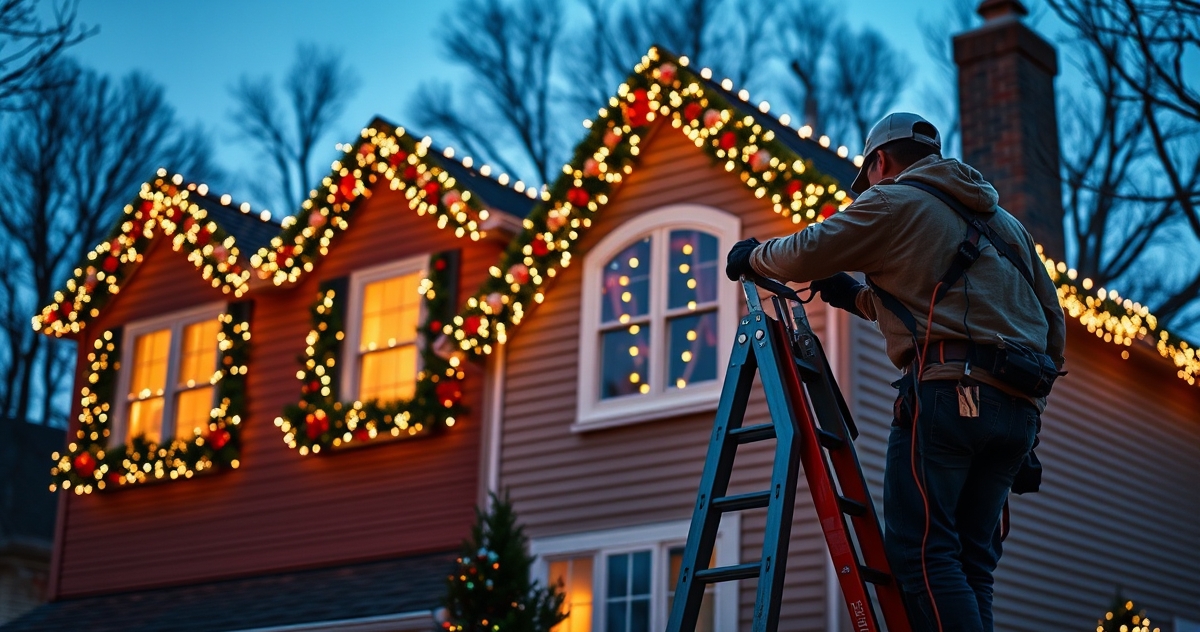
Removal & Storage
A professional Christmas light removal service that clears your display safely before winter weather does the damage.
A Christmas light removal service handles the part of the season most homeowners dread: getting everything down without a ladder in the ice or a torn gutter to repair in spring. This page is for the January buyer, often someone whose original installer took the deposit in November and never returned the calls. Our local teams remove strands, clips, wreaths, garland, and roofline runs, then pack the lighting into labeled storage so next season starts from a known inventory instead of a tangled box. It beats DIY because the risk sits with a trained crew and their equipment, not with you on a frozen roof. It beats the vanished installer because we schedule the takedown as part of the agreement, not as an afterthought.
In detail
What Removal & Storage involves
Removal is not the same as decommissioning
When people say Christmas decoration removal they usually mean two different things. This page covers physical takedown: crews return to your property, detach the lighting and mounting hardware, and remove it from the roofline, trees, and grounds. It does not mean electrical decommissioning of permanent architectural fixtures, which stay in place year round and are simply switched off. If your system is a seasonal display of strands and clips installed in fall, removal is what you want. If you have permanent trim lighting bolted to the fascia, you want a service call, not a takedown. Most of our removal work is seasonal display, and we confirm which category you have before scheduling so the crew arrives with the right plan.
Why the date you take down Christmas lights matters
The decision to take down Christmas lights is really a timing decision. Left up too long, clips embrittle in the cold and crack when pulled, adhesive tabs bond harder to painted surfaces, and strands trap ice that adds weight to gutters already carrying meltwater. The sweet spot is after the season but before the deep freeze locks everything to the roof. Our local teams book removal in waves through January and into February, weather permitting, and prioritize properties where snow load or exposed runs create the most risk. Waiting until March does not save money and usually costs more, because sun-baked and ice-cycled hardware takes longer to release cleanly. We give you a target window at booking and adjust it around safe roof conditions rather than forcing a crew onto ice.
Christmas light takedown service that protects your roof and gutters
The reason a Christmas light takedown service exists is the damage that happens when a homeowner rushes it. Yanking a stuck strand pulls the clip and a strip of shingle granule with it. Prying a frozen clip off a gutter lip bends the aluminum. Leaning a ladder against a loaded gutter in January is how people end up with both a bent gutter and a fall. Our crews release each clip by hand, work the roofline in sections, and use stabilized ladders and roof anchors rated for winter footing. Hardware comes off with the strand so nothing is left screwed into your fascia over the summer. The goal is a roofline that looks untouched in spring, no ghost clips, no torn shingles, no gutter you have to re-hang.
Labeled holiday light storage for a faster next season
The quiet value of holiday light storage is the September that follows it. When a crew simply coils everything into a tub, next season starts with untangling and re-measuring. Our local teams label by zone: front roofline, garage run, the two maples, the porch garland, so the boxes map to your house. Strands are coiled without kinks, tested for dead sections before they go away, and noted if a run needs replacing before the next install. You can store the labeled containers in your own garage, or many of our teams offer to hold them off-site so nothing takes up your space. Either way, the inventory is documented, which means the fall install is faster and the quote is predictable instead of a fresh measure every year.
How removal and scheduling actually works
Booking a takedown is straightforward even if we did not do your install. Send photos and a rough scope, and a local crew confirms whether it is a half-day roofline job or a full property with trees and grounds. Removal is grouped geographically to keep costs down, so your window depends on your area's queue and the weather. On the day, the crew works top down: roofline first, then mid-level features, then ground stakes and pathway lighting. Everything is detached, hardware pulled, strands coiled and labeled, and the site walked so nothing is left behind. If storage is part of your order, the boxes are marked and either placed where you want them or collected. You get confirmation the property is clear the same day.
What Christmas light removal typically costs
Removal is usually priced as a share of the install cost, often in the range of a quarter to a third, because the labor and access risk are real but the fitting time is shorter. A single-story roofline with pathway lighting sits at the low end; a multi-story home with tall tree wraps and extensive grounds sits higher. The variables that move the number are height and roof pitch, the amount of tree and landscape lighting, winter access conditions, and whether labeled storage is added. If we also did your install, removal is often bundled at a better combined rate. We quote the takedown as a fixed figure after seeing the scope, not an hourly meter that grows on a cold day.
Frequently Asked
Questions we get about Removal & Storage
Available Where You Are
We currently offer this service in
Our work
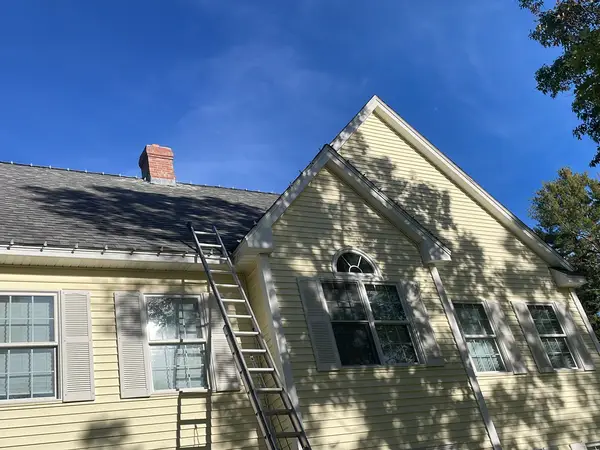
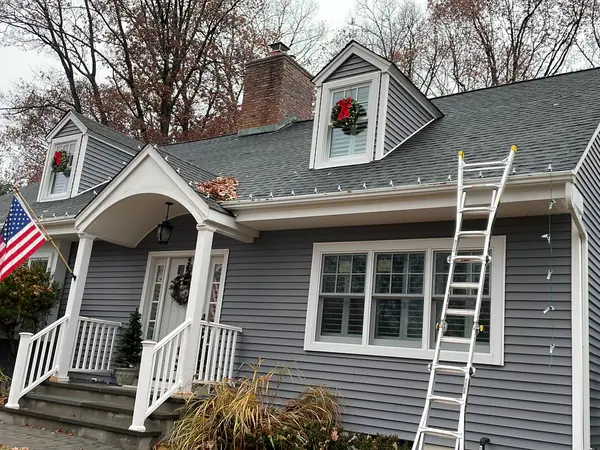
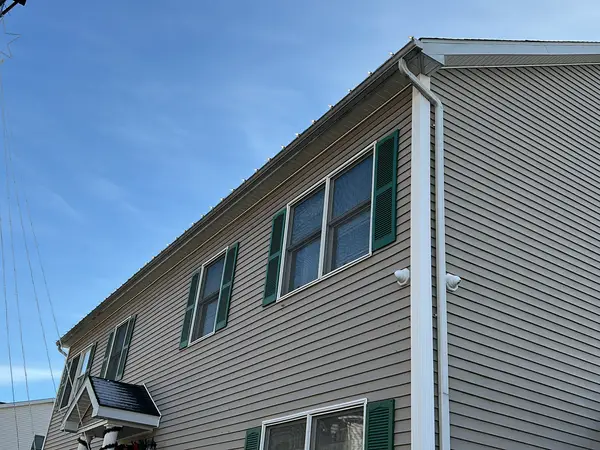
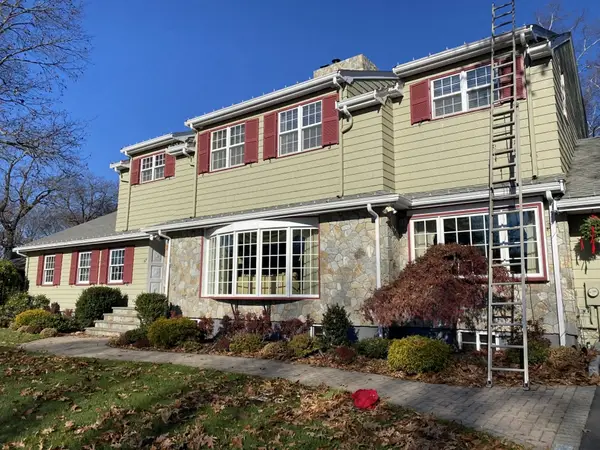
Removal & Storage, on the job
Our own photos, not stock.
Get Your Free Removal Quote
Tell us about your project and our team connects you with the right local crew, usually within 24 hours.
Related Services
Other services we offer
Residential
Turnkey holiday light installation for homes, design, installation, maintenance, takedown, and storage.
Learn more →Commercial
Large-scale displays for retail centers, hotels, restaurants, and corporate campuses.
Learn more →Permanent LEDs
Architectural permanent outdoor lighting, programmable color, app control, year-round accent.
Learn more →Tree Lighting
Commercial-grade tree wrapping for residential landscape trees, town squares, and corporate campuses.
Learn more →Municipal
Citywide holiday lighting programs, lamp posts, gazebos, town squares, and public displays.
Learn more →