Key Takeaways
- Color temperature is measured in Kelvin (K); warm white runs 2,200K, 3,000K, cool white 3,500K, 6,500K.
- Warm white creates cozy, nostalgic ambiance ideal for traditional and historic architecture.
- Cool white delivers crisp, modern brilliance suited to contemporary homes and commercial properties.
- Mixing the two in the same visual zone rarely produces professional results, consistency wins.
- Your home's architecture, existing exterior lighting, and neighborhood context should all guide your choice.
- A Holiday Lights Decor professional can help you select, install, and maintain the right color temperature for maximum impact.
Standing in the lighting aisle, you face the eternal holiday decorating dilemma: warm white or cool white Christmas lights? The decision seems simple, but the science behind color temperature reveals why this choice dramatically impacts your home's entire holiday atmosphere. Understanding the Kelvin scale and color psychology helps you create the perfect ambiance, whether you're decorating a classic colonial in the Northeast, a sleek modern build in the Mid-Atlantic, or a sun-drenched stucco home in Florida.
The Science of Color Temperature: The Kelvin Scale Explained
Color temperature isn't about heat, it's about the visual warmth or coolness of light, measured in Kelvin (K). This scientific scale ranges from roughly 1,000K (candle flame) to 10,000K (clear blue sky). For holiday lighting, most bulbs fall between 2,200K and 6,500K.
Warm white Christmas lights typically measure 2,200K to 3,000K, producing the golden, amber glow reminiscent of traditional incandescent bulbs. Cool white lights range from 3,500K to 6,500K, creating crisp, bright illumination similar to natural daylight. This scientific foundation explains why warm white C9 bulbs along a roofline evoke cozy fireside feelings, while cool white mini lights wrapped around evergreens produce a winter wonderland effect.
The human eye perceives lower Kelvin temperatures as relaxing and intimate, while higher temperatures appear energizing and modern. This biological response directly influences how visitors feel approaching your decorated home on a winter evening, making color temperature one of the most powerful design decisions in your entire holiday display.
Warm White: Creating Cozy Holiday Ambiance
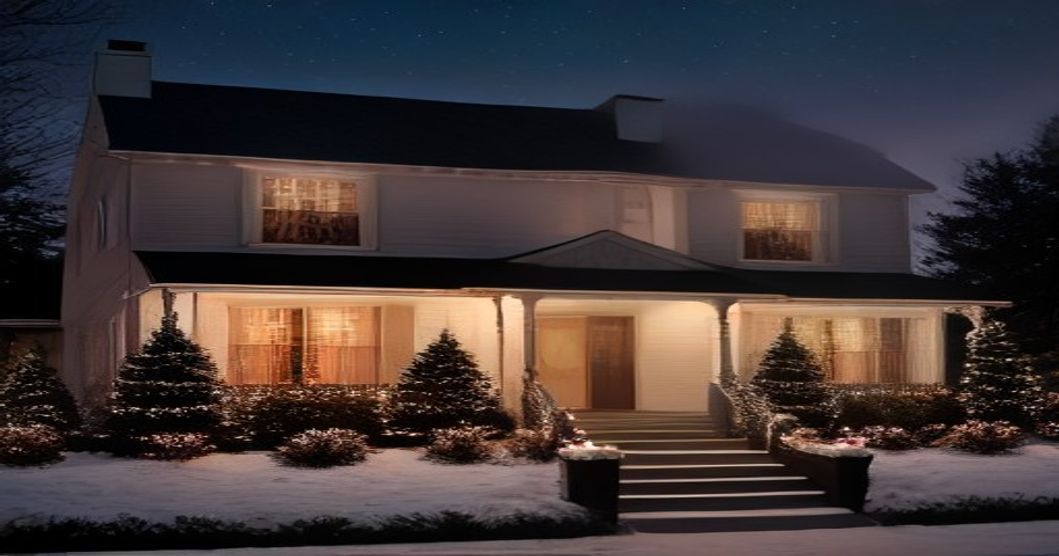
Warm white lighting transforms any property into a welcoming holiday haven. The golden undertones complement traditional architectural styles found across the country, colonial homes, Victorian houses, Craftsman bungalows, and rustic farmhouses all benefit from warm white's nostalgic glow.
For roofline installations, warm white C9 bulbs create the classic American Christmas look. The larger bulb size combined with a golden color temperature produces substantial visual impact without overwhelming neighboring homes. When wrapped around mature oaks, maples, or magnolias in the front yard, warm white mini lights enhance the natural beauty of bare winter branches while maintaining an organic, sophisticated appearance.
Warm white excels in residential holiday lighting applications where comfort and tradition matter most. Family gatherings feel more intimate under warm lighting, and photographs capture that magical holiday atmosphere. The color temperature also complements interior lighting visible through windows, creating a seamless indoor-outdoor visual flow that looks both intentional and inviting.
Consider warm white for entrance lighting, pathway illumination, and anywhere you want guests to feel welcomed. The golden glow flatters skin tones and makes everyone look their best in holiday photos, a practical bonus for families hosting seasonal celebrations.
Cool White: Modern Elegance and Crisp Winter Beauty
Cool white Christmas lights deliver contemporary sophistication perfectly suited to modern homes and commercial properties nationwide. The bright, clean illumination creates dramatic contrast against snow-covered landscapes and highlights architectural details with precision.
Cool white C9 bulbs along contemporary rooflines emphasize clean lines and geometric shapes. The crisp light quality complements stainless steel fixtures, glass facades, and minimalist design elements increasingly popular in new residential and mixed-use developments across the country.
Mini lights in cool white excel at creating depth and dimension in landscape installations. The bright illumination penetrates further into evergreen foliage, producing layers of light that appear almost crystalline against dark winter nights. Cool white also photographs beautifully, yielding sharp, professional-looking images perfect for business marketing or personal holiday cards.
Commercial holiday lighting installations frequently favor cool white for its professional appearance and high visibility. The bright illumination attracts attention from greater distances and maintains brand consistency with modern corporate aesthetics. Cool white also performs well for safety lighting along walkways and parking areas throughout the holiday season.
Cool White: Best Applications
- Contemporary and minimalist architectural styles
- Commercial and municipal installations
- Safety and security accent lighting
- Photography and social media content creation
- Winter-themed and ice-inspired displays
- Properties with existing cool-toned exterior lighting fixtures
Choosing the Right Color Temperature for Your Property
Your home's architecture, landscaping, and neighborhood context all influence the ideal color temperature. Traditional colonial homes with brick facades and classic proportions typically suit warm white, while contemporary houses with large windows and modern cladding complement cool white installations.
Consider your property's existing exterior lighting first. Warm white holiday lights placed next to cool white landscape fixtures create visual confusion. Maintaining consistency across all outdoor illumination, holiday and permanent alike, produces the polished, cohesive results homeowners across the U.S. expect from a professional installation. If you're thinking about a long-term solution, our permanent lighting systems are available in both color temperatures and eliminate the annual guesswork entirely.
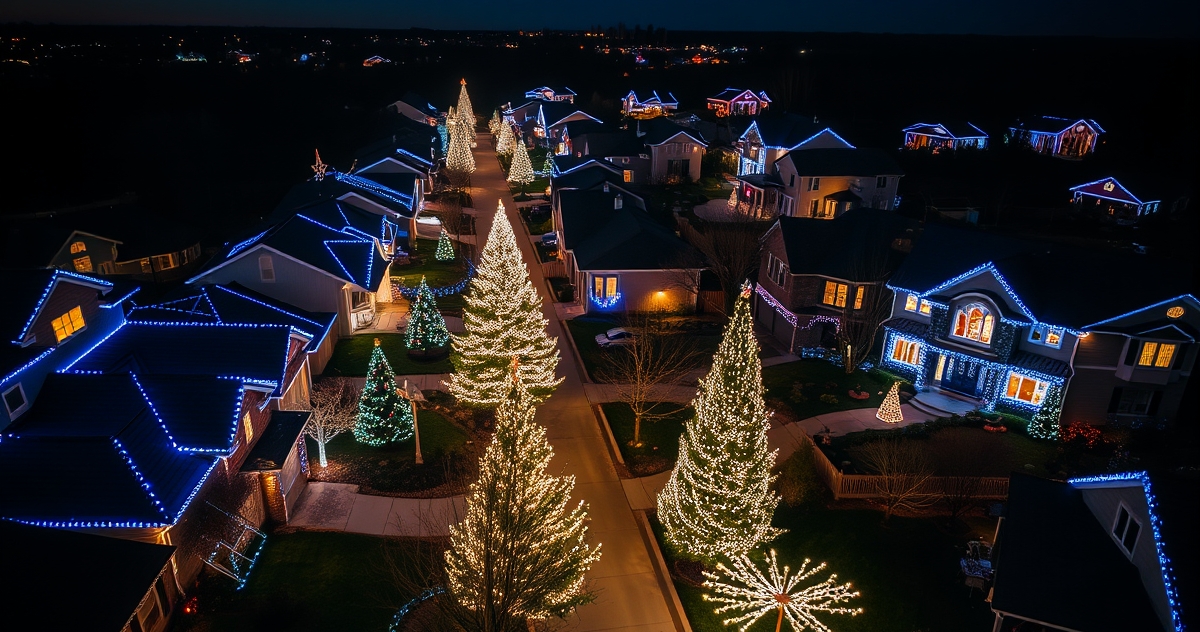
Neighborhood aesthetics also matter. While personal preference should guide your final decision, observing surrounding homes helps ensure your display enhances rather than disrupts the local holiday atmosphere. Many communities across our nationwide service area develop informal traditions around color temperature choices, warm white neighborhoods can look stunning in their cohesion.
Weather is another factor worth considering. Warm white provides psychological comfort during harsh winter conditions common in northern states, while cool white's brightness cuts through fog and light precipitation effectively, an advantage in coastal and southern climates. Either way, professional installation ensures your chosen color temperature performs reliably from Thanksgiving through New Year's.
Matching Color Temperature to Home Style
| Architectural Style | Recommended Color Temp | Suggested Bulb Type |
|---|---|---|
| Colonial / Traditional | Warm White (2,200K, 2,700K) | C9 roofline + warm white mini lights |
| Contemporary / Modern | Cool White (4,000K, 6,500K) | Cool white C9 + LED net lights |
| Victorian / Historic | Warm White (2,200K, 3,000K) | Warm white C7 or C9 with mini accents |
| Craftsman / Rustic | Warm White (2,700K, 3,000K) | Edison-style or warm white mini lights |
| Mediterranean / Stucco | Either, match wall color palette | C9 or net lights based on design |
| Commercial / Retail | Cool White (4,000K, 5,000K) | Commercial-grade C9 or LED string lights |
Professional Installation Considerations for Color Temperature
Professional installers understand how color temperature affects overall design impact. The spacing between bulbs, mounting height, and surrounding elements all influence how warm or cool white reads from street level, and small miscalculations can undermine an otherwise well-planned display.
C9 bulb installations require precise spacing calculations to achieve even color distribution. Too close together, and warm white can shift toward orange; too far apart, and cool white loses its crystalline impact. Your local Holiday Lights Decor team accounts for these variables during every residential design consultation.
Mini light installations demand attention to color consistency across different product runs. LED manufacturing tolerances can introduce slight color temperature variations even within the same warm or cool white category. Experienced installers test and match bulbs before going up on ladders, not after.
Power requirements also differ between warm and cool white LED bulbs, affecting circuit planning and electrical load calculations. Our installers ensure adequate power supply while maintaining safe electrical practices throughout your property, from the first circuit to the final timer.
For complex installations combining roofline lighting, tree and shrub lighting, and architectural accents, professional design services are invaluable. Integrating color temperatures across multiple zones takes a trained eye, and the right national team behind it.
Maintenance and Longevity Factors
Color temperature affects more than aesthetics, it also influences bulb performance and long-term maintenance. Warm white LEDs typically consume marginally less energy than cool white equivalents, though both offer dramatic efficiency improvements over traditional incandescent options.
LED color temperature remains stable throughout the bulb's rated lifespan, unlike incandescent bulbs that shift warmer as their filaments age. This consistency ensures your carefully planned color scheme maintains its intended appearance season after season.
Cool white LEDs often demonstrate strong performance in extreme cold conditions. Solid-state LED technology responds well to temperature fluctuations, maintaining consistent light output when conditions drop well below freezing. Warm white LEDs perform reliably in moderate cold as well, making both suitable for climates across our nationwide footprint.
Our end-of-season removal and storage services protect your investment in either color temperature, ensuring bulbs, wire, and hardware are stored correctly and ready for a fast, consistent reinstall next year.
Frequently Asked Questions
What's the main difference between warm white and cool white Christmas lights?
Warm white lights (2,200K, 3,000K) produce a golden, cozy glow similar to traditional incandescent bulbs, while cool white lights (3,500K, 6,500K) create crisp, bright illumination resembling daylight. The difference lies in color temperature measured on the Kelvin scale, which directly shapes the mood and ambiance of your entire holiday display.
Which color temperature works better for traditional-style homes?
Traditional architecture, colonial, Victorian, Craftsman, and historic styles, typically pairs best with warm white lighting. The golden undertones enhance classic building materials like brick, wood siding, and stone, and create the nostalgic holiday atmosphere these architectural styles naturally evoke. Warm white C9 bulbs along rooflines and warm white mini lights in the landscape maintain period-appropriate aesthetics beautifully.
Can I mix warm white and cool white lights in the same display?
Mixing color temperatures in the same visual zone rarely produces professional results. The contrast between warm and cool white can appear jarring, particularly in close proximity. The best approach is to choose one color temperature for consistency, or use them in completely separate areas of your property where they don't compete visually. Your Holiday Lights Decor designer can help you map zones if you want to incorporate both.
Do warm white or cool white lights photograph better for social media?
Cool white lights typically resolve more clearly and appear brighter in digital images, making them a popular choice for social media and marketing content. Warm white, however, creates more atmospheric, emotionally resonant photos that convey holiday warmth and intimacy. The best choice depends on your goal: crisp, high-contrast documentation versus a cozy, inviting mood.
Which color temperature is more energy efficient?
Both warm white and cool white LED Christmas lights offer very similar energy efficiency; warm white draws marginally less power in some product lines. The real efficiency story is the dramatic improvement both provide over traditional incandescent bulbs, often 75–80% less energy. Color temperature should be chosen based on aesthetic and design goals rather than power consumption differences.
How does Holiday Lights Decor help me choose the right color temperature?
Your local Holiday Lights Decor team conducts an on-site design consultation that accounts for your home's architecture, existing exterior lighting, and the surrounding neighborhood. We present mockups or lighting samples when helpful, and we handle every aspect of installation, maintenance, and removal, so the color temperature you choose looks exactly as intended from the first night to the last. Reach out through our contact page to get started.
Choosing between warm white and cool white is one of the most impactful decisions in your holiday lighting plan, and it deserves the same care as any other design choice you make for your home or business. Whether you're drawn to the timeless golden warmth of a classic American Christmas or the crisp, modern sparkle of a contemporary winter display, Holiday Lights Decor's nationwide team has the expertise to bring that vision to life beautifully. Contact your local Holiday Lights Decor team today to schedule a design consultation and discover which color temperature is right for your property.