Key Takeaways
- Red and green trigger distinct psychological responses, excitement and calm, that together create the ideal emotional tone for the holidays.
- Victorian-era publishers, illustrators, and mass-produced greeting cards cemented this color pairing as the universal language of Christmas.
- Nature reinforces the association every December: cardinals, holly, poinsettias, and evergreens all appear in red and green.
- Modern designers use shade variations, burgundy and sage, rose gold and forest green, to keep the classic pairing feeling fresh.
- Professional holiday lighting teams understand how to balance color temperature, intensity, and proportion across your entire home exterior.
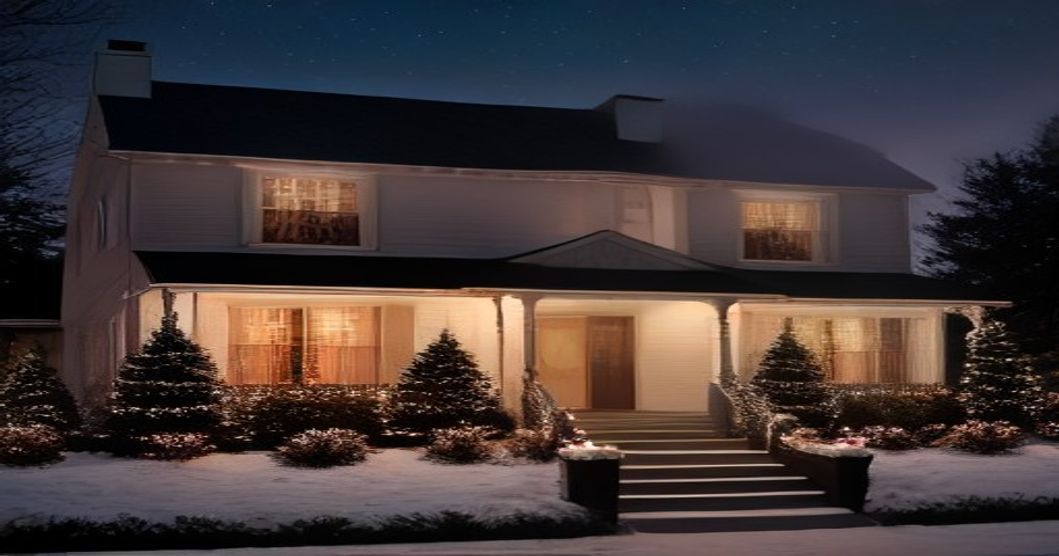
Picture this: you're driving through a neighborhood in December, and every roofline glows with red and green C9 bulbs against the winter night. Without thinking, your heart lifts, these colors instantly signal warmth, celebration, and home. But why did red and green become the universal language of Christmas? The answer lies deep in human psychology, cultural evolution, and centuries of symbolic meaning that continue to shape the holiday decorating choices of homeowners across the U.S.
The Ancient Roots of Red and Green in Human Psychology
Long before Christmas existed, red and green held powerful meanings in human consciousness. Red, the color of blood and fire, represented life, passion, and vitality. Our ancestors encountered red in the setting sun, in ripe berries that meant survival, and in the flush of healthy skin. Psychologically, red triggers arousal, excitement, and attention, which is exactly why it remains perfect for celebration.
Green, meanwhile, symbolized life, growth, and renewal. In a world where winter meant potential scarcity, evergreen trees represented hope and continuity. The color green literally signaled survival: fresh shoots, healthy crops, and the promise of spring. Together, red and green created a psychological balance, the excitement of red tempered by the stability of green.
Modern color psychology confirms what our ancestors felt intuitively. Red increases heart rate and creates a sense of urgency, while green calms and reassures. When you string red and green lights along your roofline, you're tapping into thousands of years of human emotional programming.
The Victorian Era: When Christmas Colors Became Official
The Victorian era (1837–1901) transformed Christmas from a primarily religious observance into the family celebration we recognize today. During this period, red and green became Christmas's official colors through a perfect convergence of cultural forces.
Queen Victoria and Prince Albert popularized the Christmas tree tradition throughout Britain, bringing German customs into the mainstream. Victorian illustrators and publishers began standardizing Christmas imagery, consistently depicting Santa Claus in red, Christmas trees in natural green, and holiday scenes dominated by these two hues.
The rise of mass-produced Christmas cards cemented the tradition. Publishers discovered that red and green created the most striking contrast on printed materials, ensuring their cards stood out in shop windows. Thomas Nast's celebrated illustrations of Santa Claus in Harper's Weekly (1860s, 1880s) showed a jolly figure in bright red, while his Christmas tree illustrations emphasized the rich green of evergreen branches.
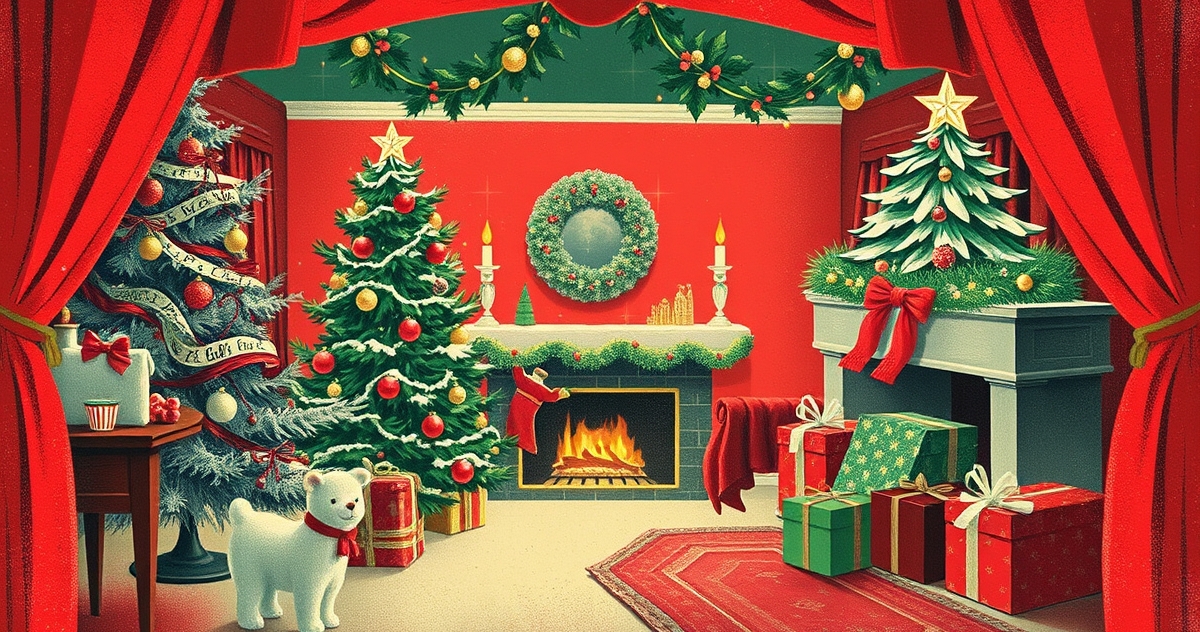
Victorian homeowners embraced the palette in their decorations: red ribbons, green garlands, and the vivid contrast between red ornaments and green tree branches became the standard. This era established the color combination that would dominate Christmas decoration for the next 150 years, the same red and green C9 roofline displays that homeowners across the country still love today. You can explore classic roofline installation options through our residential holiday lighting services.
Cultural Associations with Seasons and Nature
Red and green's Christmas dominance isn't purely cultural, it's seasonal. These colors appear naturally during winter months, creating subconscious associations that continuously reinforce their holiday meaning.
Consider the December landscape almost anywhere in the country: bare brown branches contrast against evergreen pines and spruces, while bright red cardinals flash against a neutral winter backdrop. Holly bushes produce vibrant red berries against dark green leaves. Poinsettias bloom in perfect red-and-green combinations. Nature itself seems to celebrate in Christmas colors.
This seasonal timing creates powerful emotional connections. When we see red and green together, our brains automatically link those colors to winter, comfort, and celebration. A string of red and green lights doesn't simply decorate a home, it signals to every passerby that here is warmth, welcome, and holiday spirit.
The agricultural calendar reinforced these associations for centuries. December marked the end of harvest, when red apples, cranberries, and preserved meats provided crucial nutrition through the cold months, while green represented the few fresh foods still available, winter greens, stored herbs, and hardy root vegetables. Together, red and green communicated abundance and preparation, feelings we still associate with the holiday season.
Modern Color Psychology and Emotional Impact
Contemporary research reveals exactly why red and green create such powerful emotional responses during the holidays. Color psychology studies show that red stimulates appetite, conversation, and sociability, ideal for holiday gatherings. Green reduces eye strain, promotes relaxation, and suggests security, perfect for creating welcoming home environments.
The contrast between warm red and cool green generates visual excitement without overwhelming the eye. This complementary color relationship ensures that red and green decorations remain visually appealing across weeks of display, unlike some color combinations that tire the eye quickly.
Marketing research confirms the power of Christmas colors. Retailers consistently report that red and green packaging increases holiday sales significantly compared to other color schemes. The colors create instant recognition and emotional connection, influencing decisions before a customer consciously processes them.
For homeowners, choosing red and green holiday lighting creates subconscious comfort for visitors and neighbors alike. The colors signal tradition, stability, and welcome, essential social cues during the winter months when community connection becomes especially meaningful. Our commercial holiday lighting installations apply these same psychological principles at scale, helping businesses connect emotionally with customers throughout the season.
Modern Color Trend Variations and Innovations
While red and green remain Christmas classics, professional designers have discovered sophisticated ways to incorporate these traditional colors into contemporary holiday displays. The key lies in understanding color temperature, intensity, and proportion.
Deep burgundy paired with sage green creates an upscale, refined version of traditional Christmas colors. This combination maintains the full psychological impact while feeling fresh and modern. Many homeowners working with our local Holiday Lights Decor teams choose this approach for residential lighting installations, particularly on historic or architecturally detailed properties where subtle elegance suits the setting.
Lime green with cherry red offers a playful, energetic variation that appeals to younger families. This bright interpretation preserves the essential red-green relationship while feeling contemporary and fun, and it works especially well for commercial displays designed to attract attention from a distance.
Rose gold and forest green represent the latest evolution in Christmas color trends. Rose gold delivers the warmth and energy of red while adding metallic sophistication. Forest green grounds the display with natural, calming depth. This pairing appears frequently in high-end retail displays and premium residential installations nationwide.
Professional lighting designers now layer multiple shades of red and green to create dimension and visual interest. Rather than relying on single-tone bulbs, they might combine warm white field lighting with red accents and varied green foliage, building a complex color story that feels simultaneously traditional and contemporary. Our team uses exactly this approach in tree and landscape lighting to bring layered depth to every property.
Choosing Red and Green for Your Holiday Display
Understanding the psychology behind Christmas colors helps homeowners make smarter, more intentional decorating decisions. When planning your holiday lighting, consider how different shades of red and green will shape your display's emotional effect.
Traditional bright red and emerald green create maximum impact and instant Christmas recognition. This combination works beautifully for families who want their home to radiate classic holiday spirit. C9 bulbs in these colors deliver stunning roofline displays that capture the full psychological power of the season.
Subtle variations, burgundy and sage green, suit homes where elegance matters as much as bold impact. These sophisticated shades maintain all the essential psychological benefits while creating a more refined appearance that complements upscale or historic architecture.
The guiding principle is maintaining the complementary relationship between warm reds and cool greens. That contrast creates the visual excitement and emotional comfort that make Christmas colors so universally compelling. Whether you select bright traditional shades or sophisticated modern variations, the underlying psychology remains constant and powerful.
Professional installers understand how to balance red and green elements across your entire display, considering your home's architecture, landscape features, and neighborhood context to build a cohesive design that maximizes the emotional resonance of Christmas colors. Every Holiday Lights Decor franchise team brings this design expertise to installations of every scale.
The next time you see red and green Christmas lights glowing across a neighborhood, remember you're witnessing more than decoration. You're seeing the result of centuries of cultural evolution and deep human psychology, colors that speak to something fundamental in human nature, turning houses into homes and neighborhoods into communities. Whether you choose traditional bright shades or sophisticated modern variations, you're participating in a color story that connects people across the country during the most wonderful time of the year.
Ready to bring the psychology of holiday color to life on your own home or property? Contact your local Holiday Lights Decor team to start planning a display that's as emotionally resonant as it is beautiful.
Frequently Asked Questions
Why do red and green Christmas lights make people feel happy?
Red and green trigger deep psychological responses rooted in human survival instincts. Red signals excitement and celebration, while green provides comfort and stability. Together, they create an emotional balance that promotes feelings of joy, security, and social connection, precisely the right tone for holiday gatherings and community celebrations.
Are there other traditional Christmas color combinations besides red and green?
While red and green dominate, gold and silver carry long Christmas traditions representing the gifts of the Magi. Blue and white evoke winter wonderland themes, while burgundy and gold suggest luxury and sophistication. However, none match the psychological power or universal recognition of red and green, a pairing reinforced by both nature and centuries of cultural tradition.
How do I incorporate red and green into modern holiday decorating?
Modern approaches include working with richer shades (burgundy and sage green), adding metallic accents (rose gold with forest green), or adjusting proportions (predominantly warm white lights with red and green accent elements). The essential principle is preserving the complementary relationship between warm and cool tones that creates both visual and emotional impact.
Do red and green Christmas colors work with all architectural styles?
Red and green adapt beautifully to any architectural style through careful shade selection and proportion control. Traditional homes suit bright, classic colors, while contemporary designs benefit from sophisticated variations like deep burgundy and sage green. Professional holiday lighting designers adjust color intensity and placement to complement each home's unique character, a service your local Holiday Lights Decor team provides as part of every installation consultation.
What's the best way to combine red and green in an outdoor lighting display?
Professional installations balance red and green through layered design, for example, green garlands with red bows, alternating red and green C9 bulbs along the roofline, or warm white field lighting with red and green accent fixtures throughout the landscape. The goal is creating visual rhythm while maintaining the contrast that makes Christmas colors psychologically powerful. Working with an experienced installer ensures the proportions and placement complement your home's architecture rather than competing with it.
Can the same color psychology principles apply to commercial holiday lighting?
Absolutely. The emotional responses triggered by red and green are universal, which is why retailers and commercial properties benefit enormously from thoughtful holiday color strategy. Bold, high-contrast red-and-green displays attract attention and trigger positive associations in customers before they've even read a single sign. Holiday Lights Decor franchise teams design commercial lighting installations that leverage these principles at the scale your property demands.