Most professional Christmas light installations run from a few hundred dollars for a modest single-story home to several thousand for large multi-story properties with trees and landscape lighting. This post breaks down real price ranges by property type and explains every variable that moves your final number.
What Drives Christmas Light Installation Cost
There is no single flat rate for holiday lighting because no two homes present the same job. The Christmas light installation cost you are quoted reflects labor time, material, roof access, and what happens after the season ends. A crew installing along a low front porch works far faster than one setting lights on a steep three-story roofline. Understanding the drivers helps you compare quotes honestly instead of chasing the lowest headline number, which often excludes takedown, storage, or midseason repairs.
Pricing is usually built from the property itself, then adjusted for lamp type and service scope. Installers measure linear footage, count peaks and stories, and note trees and shrubs you want wrapped. Then they factor whether you own the materials or lease them, and whether the price includes maintenance visits, removal, and offseason storage. Every one of these moves the total, sometimes by hundreds of dollars, so ask what each line covers before you sign.
Roof Linear Footage and Roofline Complexity
The single biggest factor in most quotes is how many linear feet of roofline you want lit. A simple rectangular front edge is quick; a home with multiple gables, dormers, and returns forces the crew to work slower and use more product. Installers typically price per linear foot for roof runs, and rates vary widely by region and lamp type. Complexity matters as much as length: fifty feet across three separate peaks takes longer than eighty feet in one straight run. When you request a quote, expect the estimator to walk the perimeter rather than guess from a photo.
Height, Stories, and Roof Pitch
Access is a safety and time cost. A single-story ranch lets a crew work off shorter ladders and move quickly. Two and three-story homes require taller equipment, more setup, and slower, more careful movement, which raises the price. Steep pitches compound this because footing becomes harder and the crew may need harnesses and roof anchors. If your peaks reach forty feet or your pitch is severe, expect a meaningful premium over a comparable low, walkable roof. This is also why a legitimate installer wants eyes on the property before committing to a figure.
Christmas Lights Installation Cost by Property Type
To turn variables into useful numbers, it helps to group homes by scale. These are broad national ranges, and your local market, lamp choice, and scope will push you higher or lower within them. Treat them as planning brackets, not promises. A quote at the low end of a bracket usually means a simple roofline and basic bulbs; the high end reflects added trees, landscape features, or premium lamps. Always confirm what the range includes before comparing two companies side by side.
Christmas lights installation cost also scales with how much of the property you light. Many homeowners start with just the front roofline, then add columns, trees, and walkways in later years. Adding trees is often where a modest job becomes a large one, because wrapping trunks and branches is labor intensive. Knowing which tier you fall into lets you set a realistic budget and decide where to spend and where to hold back.
Small to Mid-Size Single-Story Homes
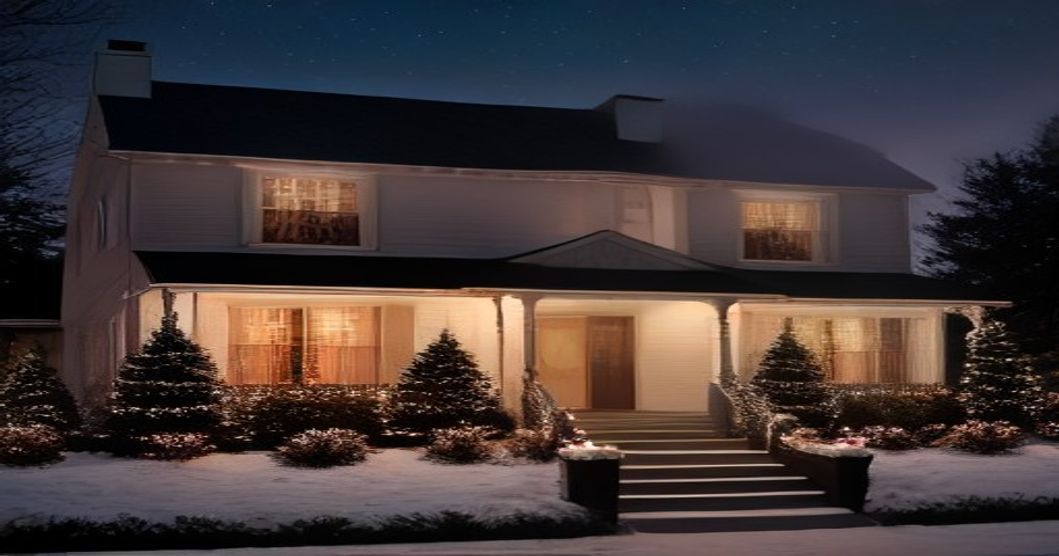
A modest single-story home with a straightforward front roofline usually sits at the lower end of holiday light installation cost. Lighting just the main roof edge and perhaps a single tree or a pair of columns commonly lands in the low to mid hundreds of dollars for a first-year install that includes materials. Because access is easy and footage is limited, labor is a smaller share of the total. If you keep the design simple and reuse leased product year over year, this tier stays affordable and predictable across seasons.
Large and Multi-Story Properties
Two and three-story homes with long or complex rooflines, multiple lit trees, and landscape accents represent the top of the range. Christmas light installation prices here can climb into the low thousands and beyond when you combine tall access, heavy footage, and tree wrapping. The cost of Christmas light installation at this scale is driven as much by labor hours and safety equipment as by material. Large estates with extensive grounds and specialty color schemes push higher still. If you want a full-property display, budget accordingly and expect a detailed, itemized proposal.
Materials, Lamp Type, and Service Scope
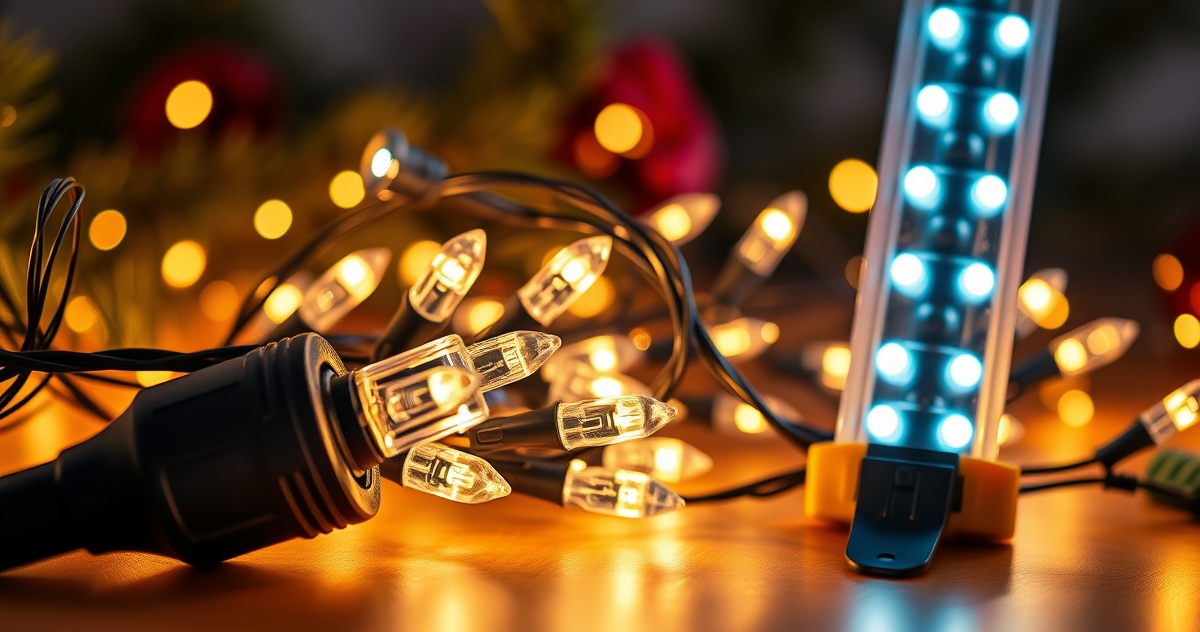
Two homes with identical rooflines can carry different totals because of what goes on the roof and what happens after. Lamp type is a major lever: commercial-grade LED bulbs cost more upfront than basic strands but draw less power and last far longer. Whether you buy the materials outright or lease them from the installer changes the first-year figure and your long-term spend. Buying costs more now and less later; leasing spreads cost and shifts storage and replacement onto the company.
Scope is the other half. A full-service quote generally bundles design, installation, midseason maintenance, removal, and offseason storage into one price. A bare install-only number looks cheaper until a strand fails in December or you are left storing tangled product yourself. When you compare Christmas lights installation cost across providers, read what is included line by line. The lowest number is rarely the best value if it drops the services that keep the display working and disappearing on schedule.
Buying Versus Leasing Your Lights
Owning your materials means a higher first-year cost because you pay for the product plus labor, but future years drop to labor and repairs only. Leasing folds the material into an annual fee, keeps your upfront cost lower, and makes the company responsible for storing and replacing bulbs. Leased programs also let you refresh the look more easily. Owning suits homeowners who want the same display for many years and have clean storage space; leasing suits those who prefer a predictable yearly bill and no offseason bins in the garage.
What a Full-Service Price Includes
A complete package typically covers a custom measure and design, professional installation, a maintenance guarantee for outages during the season, timely takedown after the holidays, and climate-appropriate storage of leased material. Some companies also include timers or smart controls. When an estimate seems unusually low, it often omits one or more of these. Ask directly: does the price include removal, and when? Are midseason repairs free? Where is my product stored? The answers reveal whether you are comparing equal offers or a full service against a bare install.
How to Read a Christmas Light Installation Quote
A trustworthy estimate is specific. It names the footage, the areas covered, the lamp type, whether material is owned or leased, and exactly which services are bundled. Vague quotes invite surprises. Before you accept a number, make sure you can point to each element it covers and understand what falls outside it. This is also the moment to confirm insurance, since anyone working on your roof should carry liability and workers coverage. A clear, written scope protects both sides when weather or a failed strand tests the arrangement.
Why Phone Quotes Without a Site Visit Are a Red Flag
If a company gives you a firm price over the phone without seeing your home, be cautious. They cannot know your linear footage, roof height, pitch, or tree count from a short call, which means the number is either padded to cover unknowns or destined to change once the crew arrives. Reputable installers either walk the property or use detailed measurements and photos before committing. A precise quote requires precise information. Treat a confident phone figure with no site assessment as a sign to get a second, properly scoped estimate.
Questions That Reveal Hidden Costs
Ask whether removal and storage are included and when takedown happens. Ask if midseason outages are repaired at no charge. Ask whether the price reflects owned or leased material, and what year-two cost looks like. Ask if trees and landscape lighting are counted separately from the roofline. Ask about timers, extension needs, and access equipment for tall sections. These questions surface the gaps between a headline price and your real annual spend. The answers let you compare Christmas light installation prices fairly and choose the provider whose scope actually matches your expectations.
Frequently Asked Questions
How much does Christmas light installation cost on average?
Nationally, a first-year professional install with materials commonly runs from the low hundreds for a simple single-story roofline to several thousand dollars for large multi-story homes with trees and landscape lighting. Your figure depends on linear footage, roof height and pitch, lamp type, whether you buy or lease the product, and which services are bundled. Because these variables swing widely by region, treat any range as a planning bracket. The only way to get a real number is a proper measure or site visit, not a phone estimate.
Does the price include taking the lights down?
It depends on the company and the package you choose. Full-service programs typically include takedown after the holidays and, with leased material, offseason storage as well. Install-only pricing often excludes removal, which means either an added fee later or leaving the display up longer than you intended. Always confirm in writing whether removal is included and roughly when it happens. If storage is part of the deal, ask where and how your product is kept. Clarifying this before you sign avoids a surprise charge and an awkward January call.
Is it cheaper to buy or lease my Christmas lights?
Buying costs more in the first year because you pay for the product plus labor, but future seasons drop to labor and repairs, so long-term ownership can be cheaper if you keep the same display for years. Leasing lowers the upfront cost, spreads spend into a predictable annual fee, and shifts storage and bulb replacement onto the installer. Buying suits homeowners with storage space who want a consistent look. Leasing suits those who prefer no offseason bins and easy design changes. Neither is universally cheaper; it depends on how many years you plan ahead.
Why do lighting quotes vary so much between companies?
Quotes differ because they often cover different scopes. One number may include design, installation, midseason maintenance, removal, and storage, while another covers only the install. Lamp type matters too, since commercial-grade LEDs cost more than basic strands. Roof access, height, and complexity change labor hours, and whether material is owned or leased shifts the first-year figure. To compare fairly, read each quote line by line and confirm what is included. The lowest headline price frequently drops services that add cost later, so equal-looking numbers rarely cover equal work.