Key Takeaways
- Wreath size should cover roughly two-thirds of your door's width for ideal visual proportion.
- Professional bow placement at the 11 o'clock or 1 o'clock position creates more dynamic, elegant compositions than center-bottom placement.
- Use 50–75 mini lights per foot of wreath diameter for rich, even coverage without hot spots.
- Layer lighting in three stages, foundation, accent, and highlight, for depth and dimension.
- Coordinate your wreath with the rest of your holiday display for a cohesive, polished look.
- Proper off-season storage preserves quality wreaths and decorations for multiple seasons.
The front door wreath stands as the herald of your holiday spirit, the first impression that welcomes guests before they even ring the doorbell. Yet most homeowners treat wreath decoration as an afterthought, slapping on a basic red bow and calling it finished. Professional Christmas wreath decoration techniques transform this circular canvas into a stunning focal point that coordinates seamlessly with your entire lighting display.
After years of creating custom holiday displays for homeowners across the U.S., our Holiday Lights Decor teams have learned that wreath mastery lies in understanding proportions, layering textures, and integrating lighting seamlessly. The difference between a department store wreath and a professionally styled one isn't just cost, it's technique.
Understanding Wreath Foundation and Size Selection
The foundation determines everything that follows. A 24-inch wreath works perfectly for standard residential front doors, while oversized 36-inch wreaths make dramatic statements on double doors or commercial entrances. The key proportion rule: your wreath should cover roughly two-thirds of your door's width for visual balance.
Fresh evergreen wreaths offer authentic fragrance and texture but require replacement every 3–4 weeks, especially in climates with variable winter weather. High-quality artificial wreaths, particularly those with mixed needle types and realistic branch structure, provide season-long beauty without maintenance concerns. Look for wreaths featuring multiple evergreen varieties such as noble fir, Douglas fir, and pine to create natural depth and texture variation.
The backing material matters more than most homeowners realize. Wire-backed wreaths hold their shape better under wind stress, while foam-backed options provide easier light insertion points for custom lighting integration. Consider your specific installation location, exposed or coastal properties need extra wind resistance, while protected entryways can accommodate more delicate styling choices.
Bow Selection and Professional Placement Techniques
Bows serve as the wreath's crown jewel, but amateur placement often undermines the entire composition. Professional Christmas wreath decoration techniques position bows at the wreath's "power point", typically the 11 o'clock or 1 o'clock position rather than dead center bottom. This asymmetrical placement creates visual interest and allows the bow to frame rather than compete with door hardware.
Weather-resistant bow materials are essential for outdoor use across the country's diverse climates. Velvet bows offer luxury appeal but quickly deteriorate with moisture exposure. Outdoor fabric bows, waterproof ribbon options, and high-quality wired ribbon maintain their shape through rain, snow, and humidity. Red velvet bows work beautifully on protected covered porches, while weatherproof satin options handle exposed installations far better.
Size proportions follow the one-third rule: your bow should measure approximately one-third of your wreath's diameter. A 24-inch wreath pairs perfectly with an 8-inch bow, while oversized 36-inch commercial wreaths can handle dramatic 12-inch bow statements. Multiple smaller bows can replace a single large one for different aesthetic effects, three 4-inch bows create cottage charm, while one substantial bow delivers formal elegance.
Bow construction technique affects both longevity and appearance. Hand-tied bows with wire stems integrate more securely than clip-on versions. Create depth by layering different ribbon widths, start with a 4-inch base ribbon, add a 2-inch contrast color, then finish with a 1-inch accent ribbon for sophisticated layering that catches both daylight and evening illumination.
Mini Light Integration Strategies
Lighting transforms wreaths from daytime decorations into evening focal points. Mini lights work better than larger bulbs for wreath applications, their size allows intricate weaving through branches without overwhelming the natural texture. Warm white mini lights create elegant sophistication that complements most door colors and architectural styles, while red and white combinations echo traditional candy cane themes.
The professional technique involves three distinct lighting layers: foundation, accent, and highlight. Foundation lighting follows the wreath's inner circumference, creating a gentle glow that defines the circular shape. Accent lighting weaves through the outer branches, adding depth and dimension. Highlight lighting focuses on specific elements, illuminating the bow, emphasizing decorative picks, or drawing attention to textural variations.
Light density calculations prevent over- or under-lighting. Plan for 50–75 mini lights per foot of wreath diameter. A 24-inch wreath needs 100–150 lights for proper coverage, while larger 36-inch wreaths require 150–225 lights. This density creates rich illumination without producing hot spots or dark gaps that reveal amateur installation.
Integration technique matters as much as quantity. Start lighting from the back, securing wires against the wreath frame where they won't show. Work outward in sections, testing each connection before proceeding. Use small zip ties or floral wire to secure connection points, never rely on just wrapping wires around branches, as winter wind can pull connections loose over time.
Power Source Decisions: Battery vs. Plug-in Solutions
Power source selection significantly impacts both installation complexity and seasonal maintenance. The right choice depends on your home's entry configuration, local climate, and how hands-on you want to be throughout the season.
Battery-Powered LED Mini Lights
Battery-powered LED mini lights offer incredible installation flexibility, no extension cords, no outlet requirements, and no weather concerns about exposed electrical connections. Modern battery packs provide 6–8 hours of continuous operation, with timer functions allowing automatic daily cycling.
However, battery solutions require ongoing maintenance throughout the season. Cold temperatures reduce battery life by 20–30%, meaning more frequent replacements during the coldest winter months. Calculate seasonal costs: quality batteries for a lighted wreath typically run $40–60 per season.
Plug-in Installations
Plug-in installations offer reliability and consistency but require careful weatherproofing. Use GFCI-protected outlets and weatherproof connection covers rated for outdoor use. Extension cords should be 12-gauge minimum for adequate power delivery, with connections elevated off the ground to prevent water contact. Professional installations often include a dedicated outlet near the front door specifically for seasonal decorations, a worthwhile upgrade for homeowners who go all-out each year.
Hybrid Approaches
Combining both systems strategically often yields the best results. Use plug-in power for primary wreath lighting, then add battery-powered accent elements like illuminated picks or decorative clusters that would complicate wired connections. This approach maximizes reliability while maintaining design flexibility.
Advanced Styling and Seasonal Maintenance
Professional Christmas wreath decoration techniques extend well beyond basic bow-and-light combinations. Layered decorative elements create visual depth and seasonal interest. Start with your lighting foundation, add your primary bow, then incorporate secondary elements: pinecones, berry picks, ornament clusters, or seasonal florals.
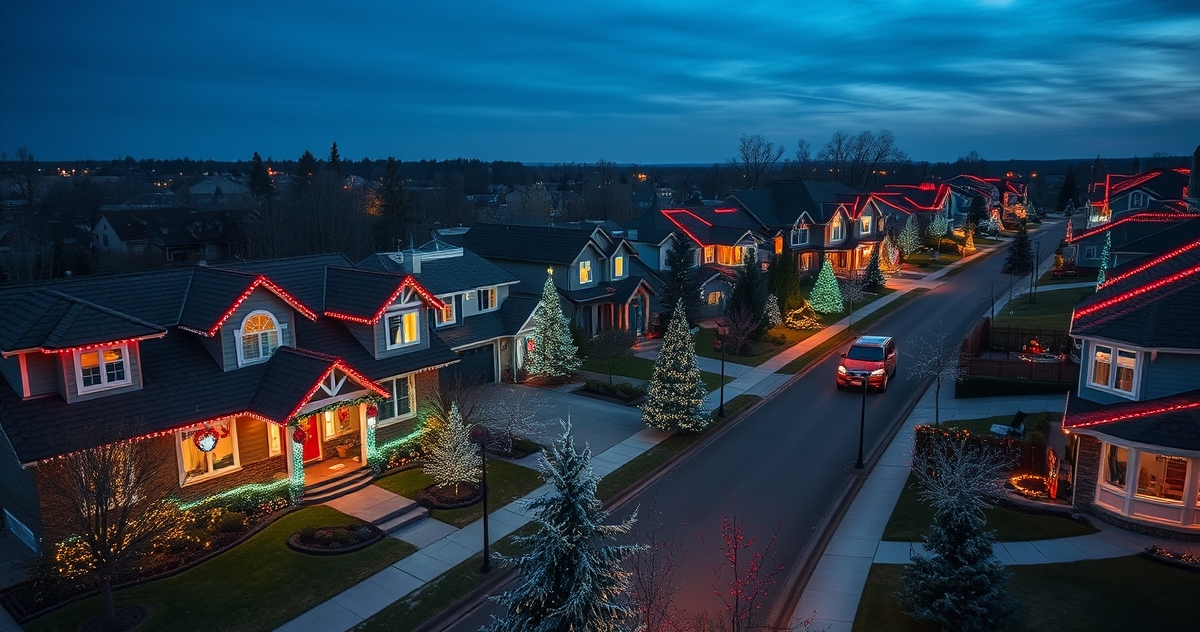
Color coordination with your overall residential holiday lighting display creates cohesive curb appeal. If your roofline features warm white C9 bulbs, echo that palette in your wreath lighting. Red and white wreath schemes pair beautifully with traditional red and green house lighting, while all-white approaches complement modern cool-tone displays. Your local Holiday Lights Decor team can help map out a unified color story across your entire property.
Texture variation prevents visual flatness. Combine smooth satin bows with rustic pinecone clusters, glossy ornaments with matte berry picks, and metallic accents with natural elements. Each texture catches light differently, creating dynamic visual interest that changes throughout the day and into the evening hours.
Seasonal maintenance preserves your investment through whatever winter conditions your region brings. Weekly inspections catch loose connections, displaced decorations, or weather damage early. Brush accumulated snow gently rather than shaking the wreath, which can break branches or dislodge carefully positioned elements. Replace burnt-out bulbs immediately, dark spots draw attention away from the overall design.
Storage technique significantly affects next season's appearance. Remove all decorations carefully, storing bows flat in boxes with tissue paper separation. Wrap light strings loosely around cardboard forms to prevent tangling. Clean artificial wreaths with compressed air before storage, removing accumulated debris that could attract insects during the off-season.
Coordinating Wreaths with Complete Holiday Displays
Professional installations never treat wreaths as isolated decorations. Your front door wreath should harmonize with window treatments, coordinate with garland applications, and complement your overall lighting scheme. This coordination elevates your entire property's holiday presentation from a collection of individual elements into a unified, intentional display.
Scale relationships matter across every component of your display. If your home features dramatic roofline lighting and extensive landscape illumination, your wreath needs sufficient presence to hold its own as the entry focal point. Conversely, subtle home lighting calls for refined wreath treatments that maintain proportion without overwhelming the overall aesthetic.
Consider sight lines from multiple angles. Your wreath looks different from the street, the walkway approach, and the immediate doorstep. Well-considered designs account for all viewing angles, ensuring the composition reads beautifully from every perspective your guests will experience as they approach.
Seasonal transitions extend your wreath's utility beyond Christmas. Start with autumn elements in November, transition to Christmas themes by Thanksgiving, then adapt for New Year celebrations. Quality wreaths accommodate multiple seasonal styling changes, maximizing your investment while maintaining fresh, timely appeal throughout the entire holiday season.
For homeowners interested in displays that go beyond seasonal installations, our permanent lighting solutions integrate beautifully with rotating wreath and garland styles, giving you year-round architectural illumination as a lasting backdrop.
Wreath Lighting Quick-Reference Guide
| Wreath Diameter | Recommended Light Count | Bow Size | Power Recommendation |
|---|---|---|---|
| 18 inches | 75–113 mini lights | 6-inch bow | Battery or plug-in |
| 24 inches | 100–150 mini lights | 8-inch bow | Plug-in preferred |
| 30 inches | 125–188 mini lights | 10-inch bow | Plug-in preferred |
| 36 inches | 150–225 mini lights | 12-inch bow | Plug-in recommended |
Mastering Christmas wreath decoration techniques transforms your front entrance from ordinary to extraordinary. The combination of proper proportions, quality materials, integrated lighting, and professional styling creates lasting impressions that welcome guests and enhance your entire holiday display. When you're ready to create a truly spectacular seasonal presentation that coordinates perfectly with your roofline and landscape lighting, connect with your local Holiday Lights Decor team, we'll make sure every detail works together beautifully.
Frequently Asked Questions
How many lights should I use on a 24-inch Christmas wreath?
For optimal illumination, use 100–150 warm white mini lights on a 24-inch wreath. This provides rich, even coverage without creating hot spots or gaps. Larger 36-inch wreaths need 150–225 lights for proper density and visual impact. The general rule is 50–75 mini lights per foot of wreath diameter.
What's the best bow placement for professional-looking wreath decoration?
Position bows at the 11 o'clock or 1 o'clock position rather than center bottom. This asymmetrical placement creates visual interest and frames your door hardware beautifully. The bow should measure approximately one-third of your wreath's diameter for proper proportion, an 8-inch bow on a 24-inch wreath, for example.
Should I choose battery-powered or plug-in lights for my wreath?
Plug-in mini lights offer reliability and consistent operation throughout the season, while battery-powered options provide installation flexibility without extension cord requirements. Consider your outlet access, maintenance preferences, and seasonal budget. Professional installations often use plug-in solutions for primary lighting with battery-powered accents for decorative elements that are harder to wire.
How do I weatherproof my wreath decorations for outdoor use?
Use outdoor-rated materials including weatherproof bows, sealed light connections, and rust-resistant wire elements. Secure all decorations with zip ties or floral wire rather than relying on clips alone. For exposed installations, choose extra-durable materials rated for outdoor use; covered porches allow for more delicate finishes like velvet bows.
Can I reuse my wreath decorations next year?
Quality artificial wreaths and properly stored decorations last multiple seasons with the right care. Remove decorations carefully at season's end, store bows flat with tissue paper separation, wrap light strings loosely around cardboard forms to prevent tangling, and clean wreaths with compressed air before storing. Weather-resistant materials hold up far better than delicate options for multi-season use.
How do I coordinate my front door wreath with the rest of my holiday lighting display?
Match your wreath's light color temperature and accent colors to the palette used across your roofline, landscape, and window lighting. If your home features warm white C9 roofline lights, use warm white mini lights in your wreath. For more complex displays, your local Holiday Lights Decor team can design a cohesive color story that ties every element, wreaths, garlands, and exterior lighting, into one unified presentation.