Key Takeaways
- LED Christmas lights use up to 90% less electricity than incandescent bulbs, delivering meaningful savings on every energy bill.
- Quality LEDs last 25,000–50,000 hours, 25 times longer than traditional bulbs, dramatically reducing waste and replacement costs.
- Smart controls, timers, and dimming capabilities multiply LED energy savings well beyond the holiday season.
- Permanent LED installations extend your investment across all four seasons, from summer entertaining to patriotic displays.
- Professional installation ensures optimal performance, longevity, and year-round versatility from your lighting system.
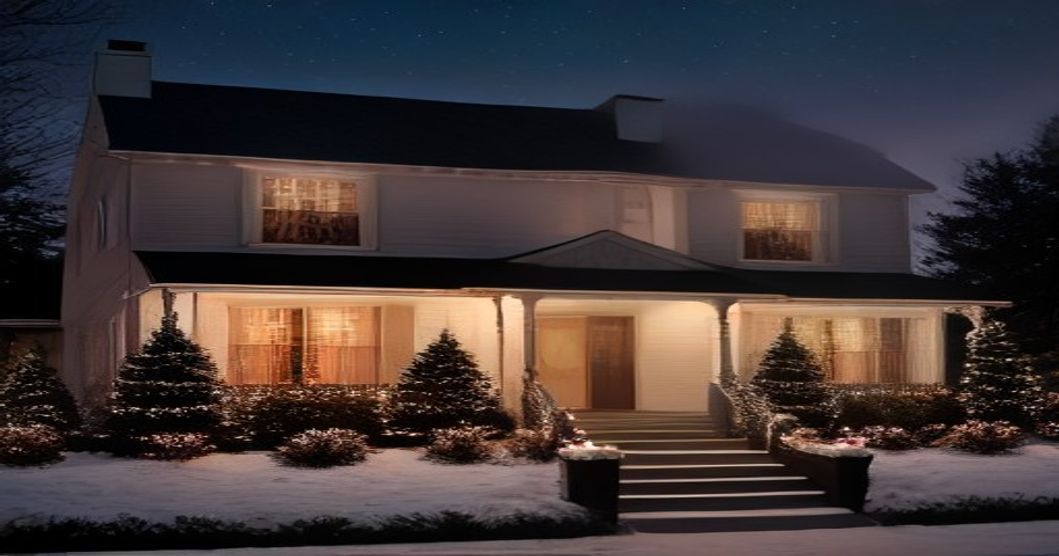
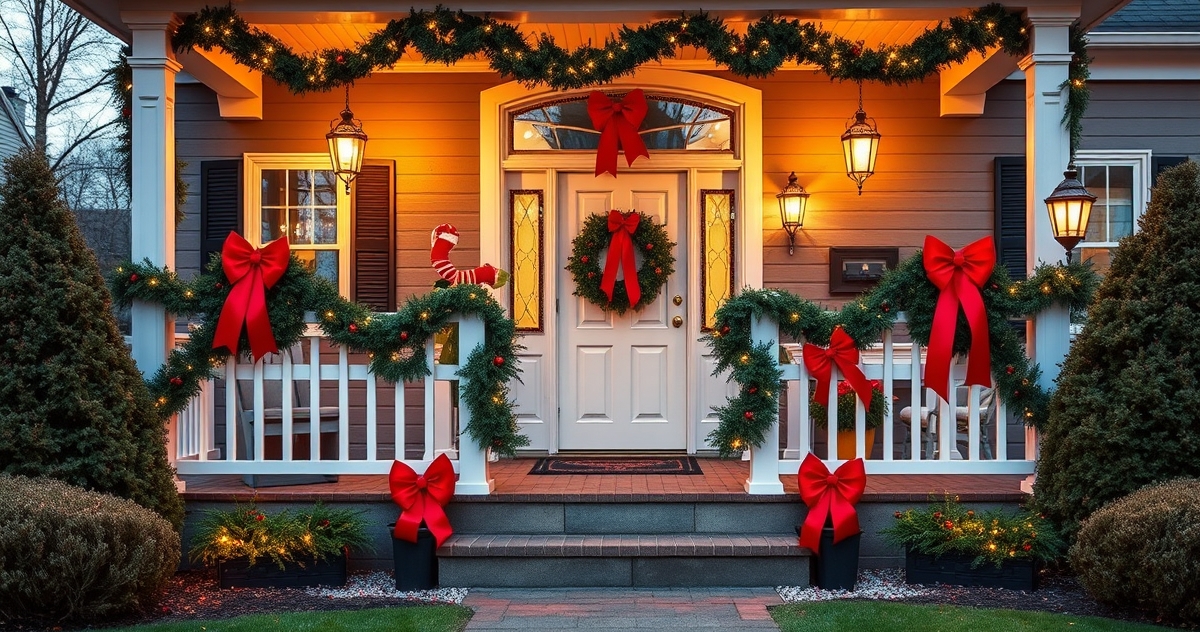
The warm glow of cool white C9 LED bulbs outlining your roofline doesn't just create magical holiday memories, it represents one of the most significant energy efficiency breakthroughs in outdoor lighting. As Earth Day approaches each April, it's the perfect time to explore how modern LED Christmas lights have revolutionized not just our holiday traditions, but our year-round approach to sustainable outdoor lighting.
The numbers tell a compelling story: LED Christmas lights consume up to 90% less energy than their incandescent predecessors while lasting 25 times longer. For homeowners across the U.S. facing rising electricity rates, this efficiency translates to dramatic savings on energy bills and a significantly reduced environmental footprint.
The Science Behind LED Efficiency: Why Less Really Is More
Traditional incandescent Christmas lights work by heating a filament until it glows, a process that converts most electricity into heat rather than light. LED (Light Emitting Diode) technology takes a fundamentally different approach, using semiconductors to convert electricity directly into light with minimal heat production.
Consider a typical home decorated with 2,000 mini lights around bushes and 100 C9 bulbs along the roofline. Traditional incandescent bulbs would consume approximately 1,400 watts of electricity. The same display using LED technology requires just 140 watts, a reduction that saves over 1,200 watts per hour of operation.
During a typical holiday season with lights running six hours per night from Thanksgiving through New Year's Day, this efficiency difference prevents nearly 500 kilowatt-hours of electricity consumption. At the U.S. average residential electricity rate, that can translate to $70–$90 in savings for just one season. Over the 25-year lifespan of LED bulbs, the energy savings compound dramatically.
The environmental impact extends beyond the electric bill. Reduced electricity demand means fewer fossil fuels burned at power plants, resulting in lower carbon dioxide emissions. A single home's switch to LED Christmas lighting prevents approximately 750 pounds of CO2 emissions annually, equivalent to planting 30 tree seedlings.
Longevity That Transforms Waste Reduction
LED Christmas lights don't just use less energy during operation, they fundamentally change the waste equation through their exceptional lifespan. While incandescent Christmas lights typically last 1,000–2,000 hours, quality LED Christmas lights operate for 25,000–50,000 hours.
This longevity means dramatic waste reduction. Instead of replacing strings of lights every few years, LED installations can operate reliably for decades. For a typical residential display, this translates to avoiding hundreds of pounds of discarded lighting equipment over time.
The manufacturing impact matters too. LED lights require fewer raw materials per hour of illumination, and their longer lifespan means fewer replacement products need to be manufactured and shipped. The reduced packaging waste alone makes a meaningful environmental difference when multiplied across millions of homes nationwide.
Professional installations take full advantage of this longevity through permanent lighting systems that serve multiple purposes throughout the year. Cool white C9 LEDs that outline your home for Christmas can provide elegant accent lighting for summer entertaining, pathway illumination for spring garden parties, or festive displays for Fourth of July celebrations.
Smart Controls: Optimizing Energy Use Through Technology
Modern LED Christmas lighting systems integrate seamlessly with smart home technology, enabling unprecedented control over energy consumption. Smart controllers allow homeowners to program precise on/off schedules, adjust brightness levels, and even respond to ambient light conditions automatically.
Timer-based controls eliminate the common problem of lights running during daylight hours or all night when no one's around to enjoy them. Motion sensors can activate pathway lighting only when needed, while astronomical timers automatically adjust operating schedules based on sunset and sunrise times throughout the changing seasons.
Dimming capabilities further enhance efficiency. LED mini lights wrapped around shrubs can operate at 50% brightness during late evening hours when full illumination isn't necessary, cutting energy consumption in half while maintaining the desired ambiance. Some systems even integrate with weather apps to adjust brightness based on atmospheric conditions, brighter on cloudy days when extra illumination is welcome, dimmer during bright moonlit nights.
The data from smart lighting systems reveals surprising insights about actual usage patterns. Many homeowners discover they prefer their lights on for fewer hours than expected, leading to additional energy savings beyond the initial LED efficiency gains.
Year-Round Applications: Maximizing Your LED Investment
The efficiency of LED technology makes year-round outdoor lighting economically viable for the first time. What starts as a Christmas decoration can evolve into a comprehensive outdoor lighting system that enhances your home's beauty and functionality throughout all four seasons.
Spring celebrations benefit from the same LED infrastructure. Easter gatherings become magical under cool white mini lights, while graduation parties gain elegance from tastefully lit landscapes. The low heat output of LEDs makes them safe around blooming plants and new growth, unlike hot incandescent bulbs that can damage delicate vegetation.
Summer entertaining reaches new heights with permanent LED installations. Commercial properties have long understood this advantage, using LED lighting to create inviting outdoor spaces that extend operating hours and enhance the customer experience. Residential applications follow the same principle, outdoor dining areas become more intimate, pool areas gain sophistication, and garden features receive the accent lighting they deserve.
Fall festivities naturally incorporate existing LED infrastructure. Halloween decorations integrate seamlessly with permanent lighting, while Thanksgiving gatherings benefit from warm, welcoming illumination that doesn't inflate the electricity bill.
The key to maximizing your LED investment lies in thoughtful initial design. Your local Holiday Lights Decor team considers year-round applications when planning displays, ensuring that rooflines, landscape features, and architectural elements receive lighting that serves multiple seasonal purposes throughout the year.
LED vs. Incandescent: Side-by-Side Comparison
| Feature | Incandescent | LED |
|---|---|---|
| Energy consumption (2,000-light display) | ~1,400 watts | ~140 watts |
| Typical lifespan | 1,000–2,000 hours | 25,000–50,000 hours |
| Heat output | High, fire/plant risk | Minimal, cool to touch |
| Cold-weather performance | Can dim in extreme cold | Improves in cold temps |
| Smart-control compatibility | Limited | Full compatibility |
| Estimated seasonal operating cost | ~$40–$50 | ~$4–$5 |
| 25-year replacement cost | Hundreds of dollars | Minimal to none |
Return on Investment: When Efficiency Pays for Itself
The economics of LED Christmas lights become compelling when viewed over their entire lifespan. While LED bulbs cost more initially than incandescent alternatives, the total cost of ownership heavily favors LED technology.
A typical home's holiday lighting display costs approximately $40–$50 per season to operate with incandescent bulbs versus just $4–$5 with LEDs, a savings of roughly $40 per year. Over the 25-year lifespan of LED bulbs, this represents over $1,000 in electricity savings for a single home.
Factor in replacement costs, and the advantage grows further. Incandescent strings requiring replacement every 2–3 years add hundreds of dollars in bulb purchases over time. LED strings, properly installed and maintained, can operate for decades without replacement.
Professional installation enhances this value proposition significantly. Expert techniques ensure optimal performance and longevity, while thoughtful planning maximizes the utility of each lighting element. Permanent lighting systems designed by our professionals serve multiple functions throughout the year, spreading the installation cost across 12 months of enjoyment rather than just the holiday season.
Many homeowners across our nationwide franchise network find that LED efficiency makes previously unaffordable lighting displays economically feasible. Elaborate designs that would be prohibitively expensive to operate with incandescent bulbs become entirely reasonable with LED technology.
Environmental Leadership Through Lighting Choices
Choosing LED Christmas lights represents more than personal savings, it's a statement about environmental stewardship and community responsibility. The efficiency gains offered by LED technology align perfectly with the growing nationwide commitment to renewable energy and reduced carbon emissions.
The cumulative impact of widespread LED adoption is substantial. If every decorated home in the U.S. switched to LED Christmas lights, the country would save billions of kilowatt-hours annually, enough electricity to power millions of homes for an entire year. The corresponding reduction in power plant emissions would be equivalent to removing millions of cars from the road.
This environmental benefit extends beyond carbon emissions. Reduced electricity demand decreases strain on the electrical grid, particularly during peak usage periods when power plants run at maximum capacity. LED lights help stabilize grid demand, contributing to overall system efficiency and reliability in communities everywhere.
The waste reduction aspect is equally significant. LED longevity means fewer discarded light strings entering landfills, while the absence of fragile filaments reduces the likelihood of broken bulbs that can't be recycled. For communities with robust recycling programs, LED lighting is a natural complement to broader sustainability goals.
Choosing the Right Professional LED Installation
Not all LED Christmas light installations are created equal. The quality of bulbs, mounting hardware, wiring, and overall design significantly affects both performance and longevity. Working with your local Holiday Lights Decor team ensures you receive commercial-grade LED products installed using techniques developed across our nationwide franchise network.
Professional installers assess your home's unique architecture, existing electrical infrastructure, and your aesthetic goals before recommending a lighting plan. They also handle takedown and storage at season's end, ensuring your LED investment is properly maintained for maximum lifespan. Explore our full range of options on our residential services page to understand everything that's included.
This Earth Day, consider how your lighting choices reflect your values and impact your community. Professional LED Christmas light installation combines the magic of holiday tradition with the responsibility of environmental stewardship, and the smart economics of technology that pays for itself many times over.
Ready to make the switch? Contact your local Holiday Lights Decor team to discover how modern LED technology can transform your home's lighting into a year-round celebration of both beauty and efficiency.
Frequently Asked Questions
How much money can I actually save by switching to LED Christmas lights?
Most homeowners save $35–$50 per holiday season on electricity costs by switching from incandescent to LED Christmas lights. Over the 25-year lifespan of LED bulbs, total savings often exceed $1,000 when factoring in both reduced electricity usage and eliminated replacement costs. Larger displays or year-round lighting applications generate even greater savings.
Do LED Christmas lights really last 25 times longer than incandescent bulbs?
Quality LED Christmas lights are rated for 25,000–50,000 hours of operation compared to 1,000–2,000 hours for incandescent bulbs. This translates to 15–25 years of typical holiday use versus 1–2 years for traditional lights. Professional installation and proper maintenance help ensure LEDs reach their full lifespan potential.
Can I use my existing Christmas light timers and controllers with LED lights?
Most existing timers work perfectly with LED Christmas lights. However, older dimmer switches designed for incandescent bulbs may not function properly with LEDs. Smart controllers specifically designed for LED lighting offer the best performance and energy optimization features, including programmable schedules and automatic brightness adjustments based on time or ambient conditions.
Are LED Christmas lights safe to use year-round on my home?
LED Christmas lights are excellent for year-round use because they produce minimal heat and are designed for outdoor conditions. For permanent installations, ensure you're using lights rated for continuous outdoor use, and consider professional installation for optimal safety and performance. Many homeowners successfully use permanent LED systems for landscape accent lighting, pathway illumination, and special event decoration throughout the year.
How do LED Christmas lights perform in harsh winter weather?
LED Christmas lights actually perform better in cold weather than incandescent bulbs, lower temperatures can extend LED lifespan and do not affect light output. Quality LEDs are designed to withstand a wide range of winter conditions including snow, ice, and significant temperature fluctuations. Professional installation by your local Holiday Lights Decor team ensures proper weatherproofing and secure mounting suited to your region's climate.
What is a permanent LED lighting system, and is it worth the investment?
A permanent LED lighting system is a professionally installed, architecturally integrated lighting solution designed to stay on your home year-round and serve multiple purposes, holiday displays, outdoor entertaining, seasonal décor, and everyday curb appeal. Because the installation cost is spread across 12 months of use rather than just one holiday season, permanent systems often deliver a stronger return on investment than seasonal installations. Learn more on our permanent lights page.