
Key Takeaways
- LED Christmas lights use 80–90% less energy than incandescent bulbs and last 25–50× longer.
- LEDs run cool to the touch, sharply reducing the fire risk associated with hot incandescent bulbs.
- Incandescent bulbs cost less up front, but LEDs pay for themselves within 2–3 seasons through energy and replacement savings.
- Modern "warm white" LEDs replicate the nostalgic amber glow of traditional bulbs without the drawbacks.
- Professional installers use commercial-grade LED almost exclusively for safety, durability, and consistency.
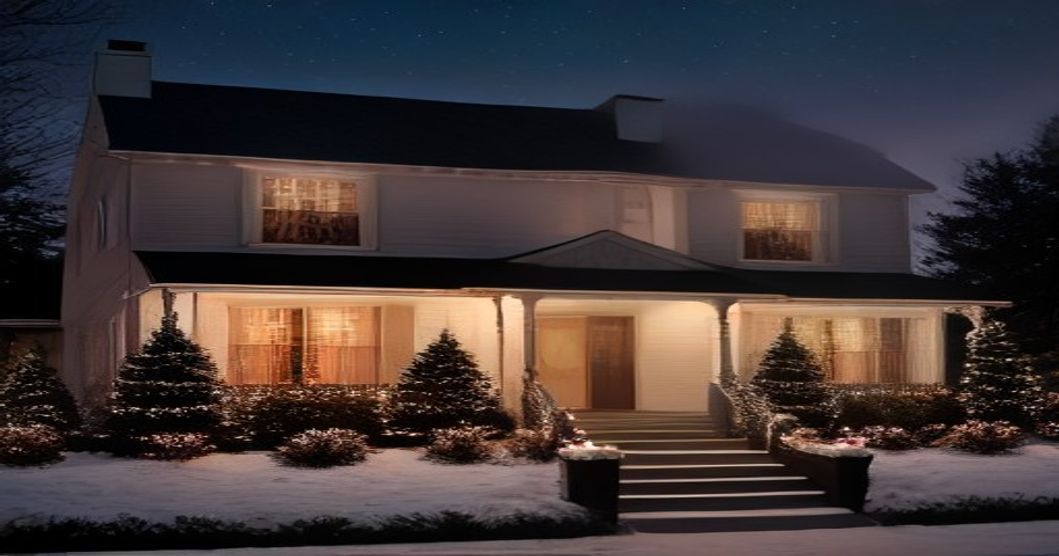
Choosing between LED and incandescent Christmas lights is one of the most common questions homeowners ask before the holiday season. Both can create a beautiful display, but they differ dramatically in cost, energy use, safety, and longevity. This guide breaks down every factor side by side so you can make the right choice for your home or business, and understand why professional lighting teams across our network have moved almost entirely to LED.
LED vs Incandescent: Side-by-Side Comparison
| Feature | LED | Incandescent |
|---|---|---|
| Energy use | 80–90% less | Standard (high draw) |
| Bulb lifespan | 25,000–50,000+ hours | 1,000–2,000 hours |
| Heat output | Cool to the touch | Hot, fire risk |
| Durability | Shatterproof epoxy lens | Fragile glass |
| Brightness over time | Consistent all season | Dims and yellows with age |
| Strings connected end-to-end | Up to 40–50 | 3–5 |
| Upfront cost | Higher | Lower |
| 10-year total cost | Much lower | Much higher |
Why Professionals Choose LED
1. Energy Savings
LED Christmas lights use up to 90% less energy than incandescent bulbs. For a typical home running 500 feet of roofline lighting six hours per night for 45 days, that difference can mean $50–$150 in electricity savings per season, and far more on large or commercial displays. Because LEDs draw so little power, you can also safely connect many more strings end-to-end without tripping a breaker. For more ways to cut your seasonal energy bill, see our guide to energy-efficient holiday lighting.
2. Safety
LED lights stay cool to the touch, virtually eliminating the fire risk that comes with hot incandescent filaments. This matters most for roofline installations near dry shingles and gutters, and for tree lighting, where bulbs sit against dry branches for weeks. Cooler bulbs and fewer connected strings also reduce the chance of overloaded outlets, two of the most common causes of holiday electrical fires. Review our full holiday lighting safety tips before you decorate.
3. Durability
Commercial-grade LED bulbs are molded from epoxy lenses rather than thin glass. They're shatterproof, weather-resistant, and built to withstand freezing rain, wind, snow, and UV exposure far better than incandescent alternatives, critical for homeowners across the U.S. who face everything from coastal salt air to heavy Northeastern winters. A dropped LED string usually survives; a dropped incandescent string often does not. That durability is exactly why LEDs are the standard for permanent architectural lighting that stays up year-round.
4. Brightness and Color
Modern LEDs produce vibrant, saturated color that doesn't fade or dim as the season wears on, they hold consistent brightness from the first night through takedown. Incandescent bulbs gradually dim and often develop an orange tint as the filament ages. LEDs are also available in tightly controlled color temperatures, so a "pure white" or "warm white" display looks uniform across every strand. If you want crisp, magazine-worthy rooflines, our complete C9 bulb guide covers colors and spacing in detail.
5. Longevity
A single LED bulb lasts 25–50 times longer than an incandescent bulb. While LEDs cost more up front, they easily pay for themselves within two to three seasons through reduced replacement costs and lower energy bills. Over a ten-year horizon, the math isn't close, incandescent strings have to be repurchased repeatedly while a quality LED set keeps performing.
The Real 10-Year Cost
Up-front price is the only category where incandescent wins, and it's misleading. Once you factor in electricity and replacement, LED is dramatically cheaper to own:
- Electricity: LEDs draw a fraction of the wattage, saving $50–$150+ every season on an average home display.
- Replacement: Incandescent strings typically need replacing every 1–3 seasons; quality LEDs routinely last a decade or more.
- Labor & hassle: Fewer burned-out bulbs means less mid-season troubleshooting, a major reason professional crews across our franchise network refuse to install incandescent.
By season three, the higher LED purchase price is fully recovered. Everything after that is savings.
Want a flawless, energy-smart display?
Holiday Lights Decor designs and installs premium commercial-grade LED displays for homes and businesses, your local team handles everything from design to takedown, no ladders or tangled strings required.
Get a Free EstimateWhen Incandescent Might Be Preferred
There's one honest argument for incandescent: nostalgia. Some homeowners love the warm, slightly uneven amber glow of traditional C7 and C9 bulbs, and a small display you only run occasionally won't generate enough energy cost to matter. The good news is you no longer have to choose between the look and the benefits, today's "warm white" LEDs are specifically engineered to mimic that classic 2700K incandescent tone while staying cool, durable, and efficient. For most people, warm white LED delivers the feeling of old-fashioned lights without the fire risk or replacement cycle.
What Professional Installers Actually Use
Holiday Lights Decor franchise teams install commercial-grade LED lighting almost exclusively. It's safer on rooflines and trees, it survives harsh weather conditions across every climate in our service area, it holds its color all season, and it costs clients less to run. Our warm white LEDs deliver that classic Christmas glow while delivering every advantage of modern technology, which is why we stand behind them with professional installation, maintenance, and takedown. Explore our full range of holiday lighting services to see what's possible for your property.
Thinking beyond a single season? Homeowners across the country are switching to permanent LED lighting that's installed once and controlled from an app for holidays, game days, and everyday accent lighting all year long.
Frequently Asked Questions
Are LED Christmas lights brighter than incandescent?
Yes. Quality LEDs produce brighter, more saturated, and more consistent color than incandescent bulbs, and they hold that brightness all season instead of dimming as the filament ages. If you prefer the soft traditional look, choose "warm white" LEDs, which match the 2700K tone of classic incandescent bulbs.
Do LED lights really save that much money?
For most homes, yes. LEDs use 80–90% less electricity, saving roughly $50–$150 per season on an average display and far more on large or commercial installations. Combined with their long lifespan, LEDs typically pay back their higher purchase price within two to three seasons.
How long do LED Christmas lights last?
Commercial-grade LED bulbs are rated for 25,000–50,000+ hours, roughly 25 to 50 times longer than incandescent bulbs, which last only 1,000–2,000 hours. With seasonal use, a quality LED set can perform for a decade or more.
Can I connect LED and incandescent strings together?
It's not recommended. The two types have different electrical loads, and mixing them can cause uneven brightness or strain the strings. It's also a missed opportunity, one of LED's biggest advantages is that you can safely connect 40–50 strings end-to-end versus only 3–5 incandescent strings.
Are LED Christmas lights safer than incandescent?
Significantly. LEDs run cool to the touch and draw far less current, which reduces both the fire risk near dry shingles and branches and the chance of overloading an outlet. These are two of the most common causes of holiday electrical fires, so LEDs are the safer choice for roofline and tree lighting everywhere, from mild coastal climates to frigid northern winters.
Should I switch my existing incandescent display to LED?
If your incandescent strings are aging or you're expanding your display, switching to LED almost always pays off in energy savings, safety, and reduced maintenance. Warm white LEDs preserve the traditional look while delivering every modern advantage. For a professional, worry-free upgrade, request a free estimate from your local Holiday Lights Decor team.
Ready to upgrade your holiday display? Get a free, no-obligation estimate from your local Holiday Lights Decor team and see the LED difference for yourself.