
Key Takeaways
- Switching from incandescent to LED bulbs is the single highest-impact change you can make, cutting energy use by up to 90%.
- Smart timers running 5–6 hours per night reduce consumption by 40–50% compared with dusk-to-dawn operation.
- Solar-powered accent lights eliminate electricity costs entirely for driveways and walkways.
- Permanent smart-lighting systems give you app-controlled scheduling, dimming, and zone management all year long.
- A focused, high-impact design uses fewer strands, and fewer watts, while looking more polished than wall-to-wall coverage.
Holiday lighting doesn't have to spike your electric bill. With the right technology and a smarter approach to design, homeowners across the U.S. can enjoy a stunning seasonal display while keeping energy costs firmly under control. Here's how.
Switch to LED, The Single Biggest Impact
If you do only one thing, make it this: replace all incandescent bulbs with LED. LED Christmas lights use up to 90% less energy than traditional incandescent bulbs. A 500-foot residential display that costs $80 a month in electricity with incandescent bulbs drops to under $10 a month with LEDs.
Modern LED lights also:
- Last 25–50× longer than incandescent bulbs
- Stay cool to the touch, safer for your home and landscaping
- Maintain consistent brightness throughout the entire season
- Come in every color, bulb shape, and strand style imaginable
Use Timers, Don't Light an Empty Street
Running lights from 5 PM to 11 PM instead of dusk to dawn cuts energy use by 40–50%. Smart timers with astronomical clocks automatically adjust to local sunset times, so your lights turn on exactly when darkness falls without wasting a single daylight hour.
Recommended Timer Strategy
- Weekdays: 5 PM, 10 PM (5 hours)
- Weekends: 5 PM, 11 PM (6 hours)
- Special occasions: Extend as needed for parties or holiday gatherings
Consider Solar-Powered Accent Lights
Solar pathway lights and stake lights are ideal for driveways and walkways. They charge during the day and illuminate automatically at dusk, zero electricity cost. While solar isn't powerful enough for roofline or tree lighting, it's a smart, cost-free complement at ground level.
Smart Controllers and Permanent Systems
Permanent lighting systems come equipped with smartphone apps that let you schedule, dim, and control your display remotely. Set brightness levels, create lighting zones that activate at different times, and turn everything off the moment you head to bed, no fumbling with outlet switches in the cold.
Optimize Your Design
Focus on High-Impact Areas
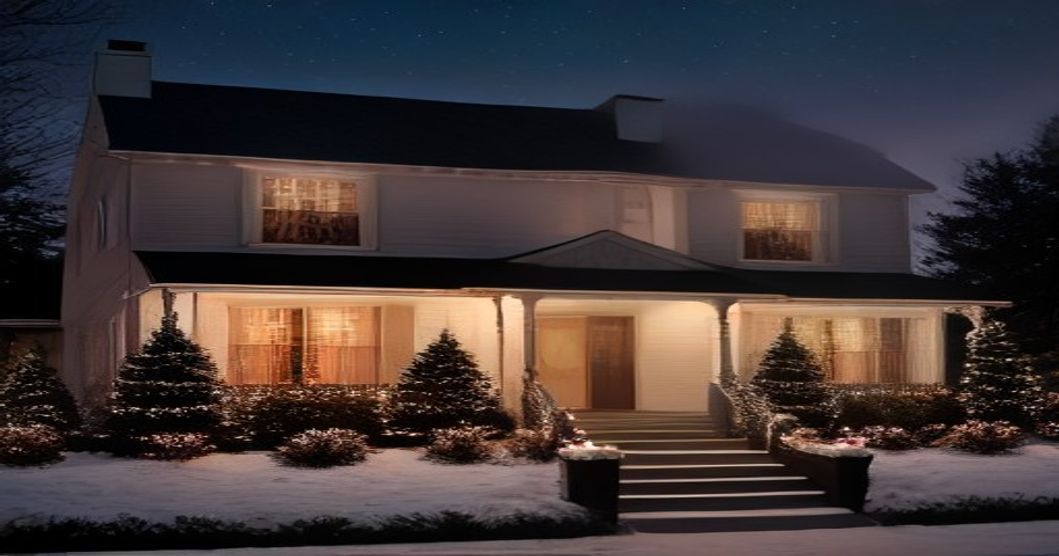
Rather than covering every surface, concentrate lighting on the spots that create the strongest visual impression from the street: the roofline, front-facing trees, and the entry. This "less is more" approach looks polished and professional, and it uses measurably less energy. Our residential installation teams plan every display with this balance of impact and efficiency in mind.
Choose Warm White Over Multi-Color
Warm white LEDs consume slightly less power than multi-color strings because they use simpler circuitry. They also produce the most elegant, timeless aesthetic for a home exterior, a look that never goes out of style.
The Numbers: Seasonal Energy Cost Comparison
| Setup | Estimated Monthly Cost |
|---|---|
| 500 ft incandescent, dusk to dawn | $80–$120 |
| 500 ft LED, dusk to dawn | $8–$15 |
| 500 ft LED, timer (6 hrs/night) | $5–$10 |
| 500 ft LED + solar accents, timer | $4–$8 |
Professional Installation Makes It Easy
Energy-efficient holiday lighting isn't about doing less, it's about doing it smarter. Across our franchise network, every residential display is designed with efficiency built in: commercial-grade LED product, optimized layouts, and timer or smart-controller integration from day one. When the season ends, our removal and storage service safely packs everything away so your investment is protected and ready for next year.
Ready to see what an energy-smart display looks like at your home? Contact your local Holiday Lights Decor team for a free estimate and let us design a display that shines brilliantly, without the shocking electric bill.
Frequently Asked Questions
How much can I actually save by switching from incandescent to LED holiday lights?
The savings are substantial. LED holiday lights use up to 90% less electricity than incandescent bulbs. A 500-foot display that runs roughly $80–$120 per month with incandescents typically costs just $8–$15 per month with LEDs, and even less when paired with a smart timer.
What timer schedule saves the most energy without sacrificing curb appeal?
Running your lights for 5–6 hours per evening (roughly 5 PM to 10 or 11 PM) instead of dusk to dawn cuts energy consumption by 40–50%. Timers with astronomical clocks are especially useful because they automatically adjust to the local sunset time each day, so you never lose that first-dark window when neighbors and passersby are most likely to see your display.
Are solar-powered holiday lights worth it?
For ground-level accents, pathway lights, stake lights, and driveway borders, solar is an excellent choice. They operate at zero electricity cost and turn on automatically at dusk. However, solar panels don't generate enough power for roofline strands or large tree wraps, so they work best as a complement to a professionally installed LED display rather than a full replacement.
What is a permanent lighting system and how does it save energy?
Permanent holiday lighting systems use architectural-grade LED fixtures installed along your roofline or eaves. They're controlled through a smartphone app that lets you schedule on/off times, adjust brightness, and create lighting zones, so you only run the lights you need, at the level you need, exactly when you want them. Because they stay in place year-round, there's no annual reinstallation cost either. Learn more on our permanent lights page.
Does a professional installation actually cost less to operate than a DIY setup?
Yes, in most cases. Professional installations use commercial-grade LED product that is more efficient and longer-lasting than retail store strings. Installers also plan circuit loads carefully to avoid overloaded outlets, a common source of wasted energy and safety hazards in DIY displays. Combined with smart timer integration, a professionally designed display typically costs less to operate per season than a self-installed incandescent or mixed-technology setup.
How do I get started with an energy-efficient display for my home?
The easiest first step is to request a free estimate from your local Holiday Lights Decor team. We'll assess your home, recommend an LED-based design focused on high-impact areas, and provide a clear picture of both the installation cost and estimated seasonal operating cost, so you can make a fully informed decision before a single strand goes up.