Key Takeaways
- Edward H. Johnson created America's first electric Christmas tree display in 1882, establishing color, movement, and scale as the pillars of great holiday lighting.
- Pioneers like Ralph Holmes and Grover Cleveland Whalen developed design principles, roofline spacing, layered lighting, focal points, that professional installers still apply today.
- Television-era designers of the 1950s standardized the visual vocabulary of American Christmas, influencing everything from bulb patterns to garland placement.
- Modern LED technology extends these timeless principles; the Holiday Lights Decor franchise network brings this heritage to homeowners and businesses across the country.
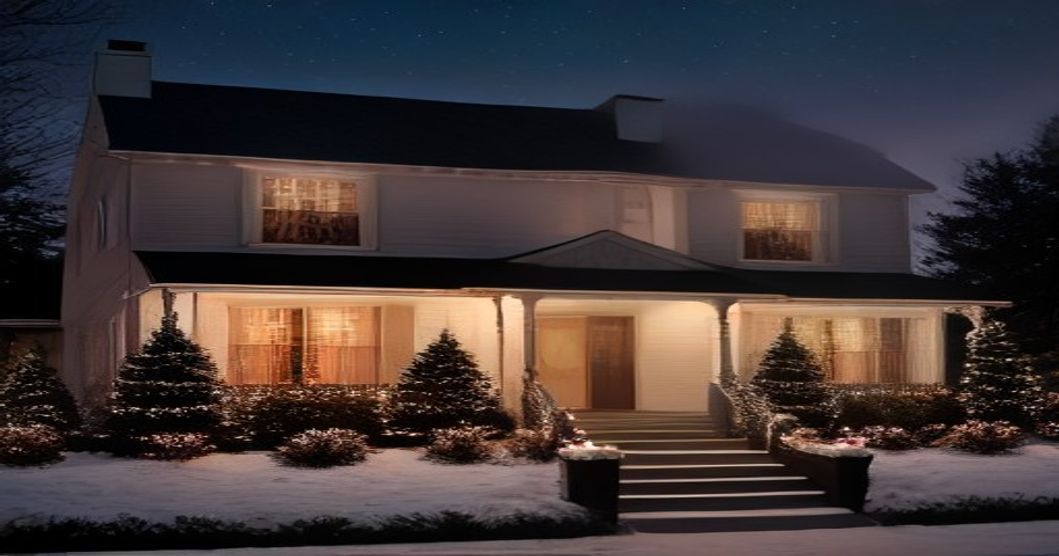
Picture the warm glow of multicolor C9 bulbs outlining a Victorian roofline, or the elegant sparkle of warm white garlands wrapped around towering evergreens. These iconic American holiday scenes didn't happen by accident, they're the legacy of visionary designers who transformed how we illuminate Christmas across the nation.
While Thomas Edison often gets credit for electric Christmas lights, the real magic happened through the creative genius of lighting designers who turned simple bulbs into American tradition. Their innovations shaped everything from intimate residential displays in quiet neighborhoods to the grand commercial spectacles we admire in city centers coast to coast.
The Edison Era: Where American Holiday Lighting Began
In 1882, Edward H. Johnson, Thomas Edison's business partner, created the first electrically illuminated Christmas tree in his New York City home. Johnson didn't just string up random bulbs, he carefully designed the display with 80 red, white, and blue lights that rotated around the tree. This wasn't merely innovation; it was theatrical design that captured America's imagination.
Johnson's approach established the foundation of modern holiday lighting design: careful consideration of color, movement, and visual impact. His patriotic color scheme reflected American pride, while the rotating mechanism added an element of wonder that still defines outstanding residential lighting installations today.
Within a decade, wealthy households were commissioning custom electric Christmas displays, spurring the emergence of professional lighting designers who specialized in holiday illumination. These early pioneers understood that effective holiday lighting required more than electrical knowledge, it demanded artistic vision.
Grover Cleveland Whalen: The Father of Commercial Holiday Spectacle
While many know Rockefeller Center's Christmas tree, fewer realize that Grover Cleveland Whalen, New York's official greeter and publicity director, masterminded the commercial holiday lighting displays that became America's most famous traditions. In the 1930s, Whalen transformed simple decorations into spectacular lighting experiences that drew millions of visitors each season.
Whalen pioneered several design principles that professional installers across our franchise network still follow:
- Scale and Proportion: Matching light density to building size and architecture
- Color Harmony: Coordinating warm white displays with architectural features
- Focal Points: Creating central elements that draw the eye and anchor the entire display
- Layered Lighting: Combining different light types and sizes for visual depth
His work influenced commercial holiday displays nationwide and established the template for the elaborate business lighting installations that companies across the country commission today through commercial holiday lighting services.
Ralph Holmes: The Pioneer of Outdoor Residential Design
Ralph Holmes revolutionized residential holiday lighting in post-World War II America. Working for General Electric, Holmes developed the design principles that made outdoor Christmas lighting accessible to middle-class homeowners everywhere. His 1947 handbook Christmas Lighting for the Home became the bible for suburban holiday decoration.
Holmes understood that successful residential displays required different approaches than commercial installations. He created enduring guidelines for:
- Roofline Lighting: His specifications for C9 bulb spacing along gutters became the industry standard
- Tree Wrapping Techniques: Methods for evenly distributing lights on evergreens and deciduous trees
- Color Coordination: Matching light colors to home architecture and neighborhood aesthetics
- Safety Standards: Electrical guidelines that protected families while creating beautiful displays
Holmes' influence extends to every professional installation team in the Holiday Lights Decor network. His spacing formulas and design principles ensure that modern installations look balanced and professionally executed, whether the home is a Cape Cod cottage or a sprawling colonial estate. You can see these principles at work in our tree lighting services, where classic wrapping techniques meet contemporary LED technology.
The Television Age: Designers Who Brought Holiday Magic to Screens
The 1950s television boom created a new category of lighting designers who specialized in holiday programming. These professionals had to create magical displays that looked stunning both in person and on camera, driving innovations in lighting design that soon filtered into home decorating nationwide.
Television designers pioneered the use of multicolor bulbs in carefully planned patterns, creating displays that photographed beautifully under studio lights. They developed techniques for layering different light types, combining C9 bulbs for bold outlines with smaller accent lights for detail work, that created visual depth on screen.
Their work established the visual vocabulary of American Christmas: the way lights should flow along rooflines, how garlands should cascade down columns, and which color combinations create the most festive atmosphere. These television-tested designs became the templates homeowners across the U.S. requested from professional installers for decades to come.
Modern Masters: Contemporary Designers Shaping Holiday Traditions
Today's lighting designers continue pushing boundaries while honoring classic traditions. Professionals like Tom Sparks, who has designed displays for major retailers and theme parks, combine computer-controlled LED systems with time-honored design principles to create spectacular modern installations that feel both fresh and familiar.
Contemporary designers work with advanced tools, LED technology, smart controllers, and weather-resistant materials, but their fundamental approach echoes the masters who came before. They still focus on:
- Storytelling Through Light: Creating displays that evoke emotion and wonder
- Architectural Integration: Enhancing rather than overwhelming building features
- Neighborhood Harmony: Designing displays that complement surrounding homes and businesses
- Seasonal Longevity: Creating installations that look fresh from Thanksgiving through New Year's
Local Holiday Lights Decor teams across our franchise network draw from this rich design heritage when crafting custom holiday displays for residential and commercial clients. Whether your home calls for classic warm white elegance or a vibrant multicolor statement, the same foundational principles guide every decision.
Design Principles Across the Holiday Lighting Spectrum
The table below illustrates how historical design principles translate into the services and product choices homeowners and businesses encounter today:
| Historical Principle | Pioneer | Modern Application |
|---|---|---|
| Color, movement & scale | Edward H. Johnson (1882) | LED color palettes & animated displays |
| Focal points & layered lighting | Grover Cleveland Whalen (1930s) | Commercial anchor displays & depth lighting |
| Roofline spacing & safety standards | Ralph Holmes (1947) | Precisely spaced C9/C7 roofline installation |
| Patterned multicolor & camera-ready depth | TV designers (1950s) | Layered residential & commercial displays |
| Smart control & architectural integration | Contemporary masters | Permanent LED systems & custom design |
The Legacy Lives On: How Historical Designers Influence Today's Installations
Walk through any beautifully decorated neighborhood served by the Holiday Lights Decor network and you'll see the influence of these famous designers. The way warm white C9 bulbs outline colonial rooflines follows Ralph Holmes' spacing principles. The cascading garlands on front porches echo television designers' layering techniques. The grand commercial displays in shopping centers and town squares trace back to Grover Cleveland Whalen's spectacle philosophy.
Modern professional installers honor this design legacy while adapting to contemporary needs. LED technology allows for more intricate displays with lower energy consumption, but the fundamental principles remain: proper scale, color harmony, architectural respect, and the magical ability to transform ordinary spaces into holiday wonderlands.
The evolution from Edison's first electric Christmas display to today's sophisticated LED installations represents more than technological progress, it's a design story spanning generations of creative minds who understood that great holiday lighting does more than illuminate. It creates memories, builds traditions, and brings communities together. That's a mission our teams carry forward every season, from New England to Florida and everywhere in between.
Our removal and storage services ensure that every display, no matter how intricately designed, is taken down with the same care and expertise that went into installing it, preserving your investment season after season. Explore our full range of holiday lighting services to see how these time-tested design principles shape every installation we deliver.
Frequently Asked Questions
Who created the first electric Christmas lights in America?
Edward H. Johnson, Thomas Edison's business partner, created the first electric Christmas tree display in 1882 in New York City. He designed it with 80 red, white, and blue lights that rotated around the tree, establishing color, movement, and visual impact as the foundation of American holiday lighting design.
How did early lighting designers influence modern holiday displays?
Early designers like Ralph Holmes established principles still used today: precise bulb spacing along rooflines, color coordination with architecture, and electrical safety standards. His guidelines for C9 bulb placement and tree wrapping techniques became industry standards that professional installers across the Holiday Lights Decor network follow on every job.
What design principles do professional holiday lighting installers draw from historical designers?
Modern installers apply classic principles including scale and proportion matching, layered lighting techniques, focal point creation, and color harmony. These time-tested approaches ensure displays look balanced and professionally executed, whether using traditional incandescent bulbs or the latest LED technology.
How did television influence holiday lighting design in America?
Television designers in the 1950s created displays that looked stunning both in person and on camera, pioneering the use of multicolor bulbs in carefully planned patterns and layering techniques that combined C9 bulbs with smaller accent lights for visual depth. Their work standardized the visual vocabulary of American Christmas decorating that homeowners still recognize and love today.
Why do professional installers still follow these historical design principles?
These principles create displays that look balanced, complement architecture, and deliver lasting visual impact across a wide range of home styles, climates, and regions. Professional installers throughout the Holiday Lights Decor franchise network use these time-tested techniques because they've proven effective across generations, ensuring every modern LED installation carries the magical quality that makes holiday lighting truly special.
How can I get a display designed around these professional principles for my home or business?
Your local Holiday Lights Decor team brings these design principles to life for homeowners and businesses across our multi-state franchise network. We offer a free estimate and will assess your property's architecture, landscape, and style to create a custom display rooted in the same timeless techniques the masters pioneered. Contact us today to get started.
Ready to experience holiday lighting shaped by generations of design excellence? Request your free estimate from your local Holiday Lights Decor team and let us bring these timeless principles to your home or business this season.