Key Takeaways
- Thomas Edison's 1882 electric Christmas display launched America's holiday lighting tradition.
- Mass production in the early 1900s made electric lights affordable and popularized the iconic C9 bulb.
- The post-WWII suburban boom turned outdoor holiday lighting into a nationwide neighborhood institution.
- LED technology cut energy use by up to 80% and enabled safer, longer-lasting displays.
- Today's smart LED systems offer app control, music sync, and year-round versatility.
- Professional installation from your local Holiday Lights Decor team ensures safety, beauty, and the best of modern technology.
December 1882: while most Americans still lit their Christmas trees with dangerous wax candles, Thomas Edison unveiled the world's first electric Christmas display, red, white, and blue incandescent bulbs glowing safely around a majestic evergreen. That revolutionary moment launched an American tradition that would forever transform how we celebrate the holidays.
Today, multicolor C9 bulbs outline rooflines from coast to coast, and sophisticated LED systems respond to smartphone apps. Tracing the journey from Edison's pioneering experiment to the dazzling displays that define modern American Christmas celebrations reveals just how far, and how elegantly, the art of holiday lighting has evolved.
Edison's Electric Christmas Revolution
Thomas Edison didn't just invent the light bulb, he created the foundation for America's holiday lighting obsession. His 1882 Christmas display featured 80 red, white, and blue incandescent bulbs, each hand-wired by Edison himself. The display drew crowds of curious visitors who traveled from across the region to witness what many called an electric miracle.
Edison's business partner, Edward Johnson, amplified the concept that same year by creating the first electrically lit Christmas tree in his New York City home. Using 80 hand-wired bulbs mounted on a revolving tree, Johnson's display became a media sensation when a Detroit reporter wrote about the "wonderful" sight of an electrically illuminated Christmas tree.
The early bulbs were expensive and required custom electrical work, making electric Christmas lighting a luxury available only to the wealthy. A single string of lights cost the equivalent of several thousand dollars in today's money, and installation required a professional electrician, much like how today's professional residential lighting services ensure safe, beautiful results that DIY installations simply can't match.
Mass Production Makes Magic Affordable
The real transformation began in the early 1900s when mass production techniques finally brought electric Christmas lights within reach of middle-class American families. The breakthrough came with the development of standardized sockets and the iconic C9 bulb design that remains popular to this day.
In 1903, the American Ever-Ready Company began producing the first commercially available Christmas light strings. These early sets featured the classic C9 bulb shape, that distinctive cone-shaped bulb that creates the quintessential American roofline look. Initially offered in single colors, by the 1920s multicolor sets had become the standard, bringing festive variety to homes across the country.
The 1920s marked the golden age of Christmas light adoption. Department stores offered complete lighting kits, and electric companies promoted holiday lighting as a safe alternative to candles. Families could finally decorate their trees and homes without the constant fire hazard that had plagued Christmas celebrations for centuries.
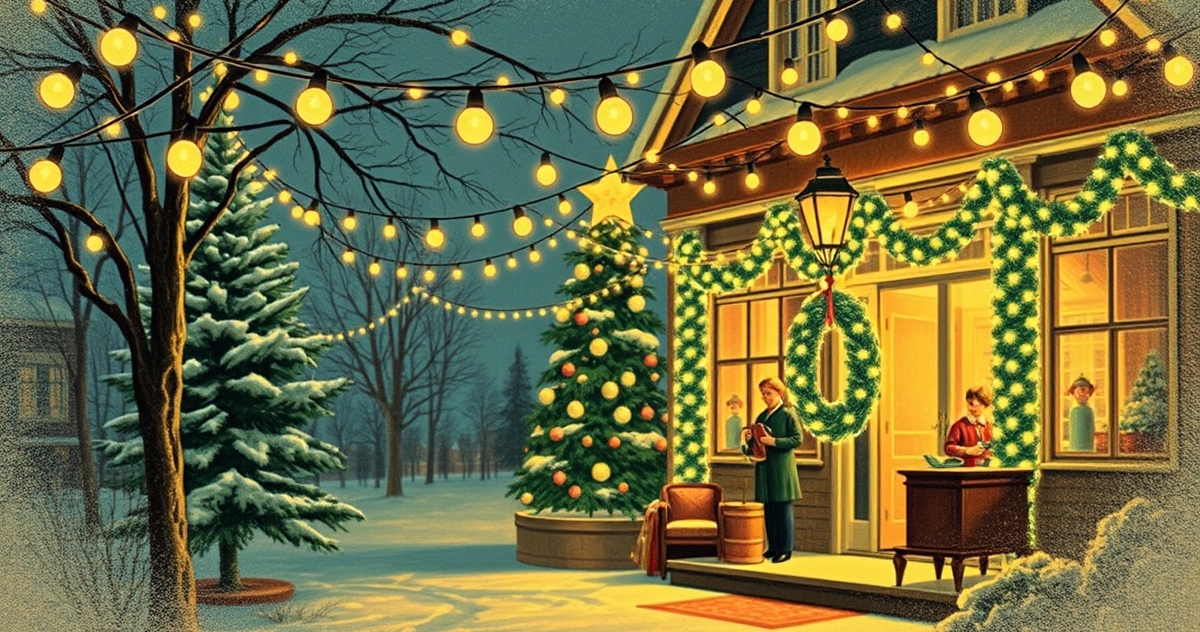
By the 1930s, outdoor Christmas lighting had become an American neighborhood tradition. Homeowners extended their displays beyond the Christmas tree to encompass entire houses, C9 bulbs lining rooflines, mini lights adorning shrubs and trees, establishing the foundation for the professional tree wrapping techniques that skilled installers still rely on today.
The Post-War Boom and Innovation Era
The 1950s brought an explosion of creativity and innovation to American holiday lighting. Returning World War II veterans, many of whom had worked with electrical systems during the war, embraced elaborate home decorating projects. Suburban neighborhoods across the country became showcases of holiday lighting artistry.
This era introduced several innovations that remain standard today:
- Miniature lights, Smaller bulbs that allowed for more intricate decorating while using less electricity
- Bubble lights, Novelty lights with liquid-filled tubes that bubbled when heated
- Reflector bulbs, Enhanced brightness and color saturation
- Weather-resistant wiring, Made outdoor displays safer and more reliable across every climate zone in the country
The 1960s and '70s saw the rise of commercial holiday lighting displays. Shopping centers, office buildings, and entire downtown districts began competing with elaborate installations, creating a thriving market for commercial holiday lighting services that continues to grow today.
The LED Revolution: Efficiency Meets Innovation
The introduction of LED technology in the 1990s revolutionized holiday lighting more dramatically than any innovation since Edison's original electric bulb. LEDs offered unprecedented advantages that transformed the entire industry:
| Feature | Incandescent Bulbs | LED Bulbs |
|---|---|---|
| Energy use | Baseline | Up to 80% less |
| Lifespan | ~1,000–1,500 hours | 25,000–50,000 hours |
| Operating temperature | Hot to the touch | Cool to the touch |
| Color consistency | Fades over time | Vibrant throughout lifespan |
| Fire risk | Higher | Significantly reduced |
Energy Efficiency: LED Christmas lights use up to 80% less electricity than traditional incandescent bulbs, allowing homeowners across the U.S. to run extensive displays without the massive electric bills that limited previous generations.
Durability: LED bulbs can last 25 times longer than incandescent bulbs, reducing replacement costs and maintenance headaches across entire seasons.
Cool Operation: Unlike hot incandescent bulbs that posed fire risks, LEDs remain cool to the touch, dramatically improving safety for both indoor trees and outdoor installations in every climate, from snowy New England winters to warm Southern winters.
Color Consistency: LED multicolor displays maintain vibrant, consistent colors throughout their lifespan, while incandescent bulbs often faded or shifted tones over time.
The LED revolution enabled the elaborate displays that homeowners across the U.S. now enjoy, entire rooflines blazing with C9 LEDs that create stunning visual effects without overwhelming electric bills or safety concerns.
Smart Technology and the Future of Holiday Lighting
Today's smart LED systems represent the latest evolution in American holiday lighting. Modern displays can be controlled via smartphone apps, programmed to music, and integrated with home automation systems. Features that seemed like science fiction just decades ago are now standard:
- App Control: Adjust colors, brightness, and patterns from anywhere
- Music Synchronization: Lights that dance in time with holiday music
- Scheduling: Automated on/off times and seasonal programming
- Energy Monitoring: Real-time electricity usage tracking
- Weather Integration: Automatic adjustments based on local conditions
Professional installation teams within our nationwide franchise network now offer sophisticated systems that rival major commercial displays. Homeowners from coast to coast can achieve the same level of control and customization once available only to theme parks and major retailers.
Smart technology has also enabled year-round lighting solutions. A growing number of homeowners are choosing permanent lighting systems that adapt seamlessly to different holidays and seasons throughout the year, delivering lasting value well beyond December. Our permanent LED lighting service makes it easy to explore this increasingly popular option.
A Proud Tradition, Carried Forward
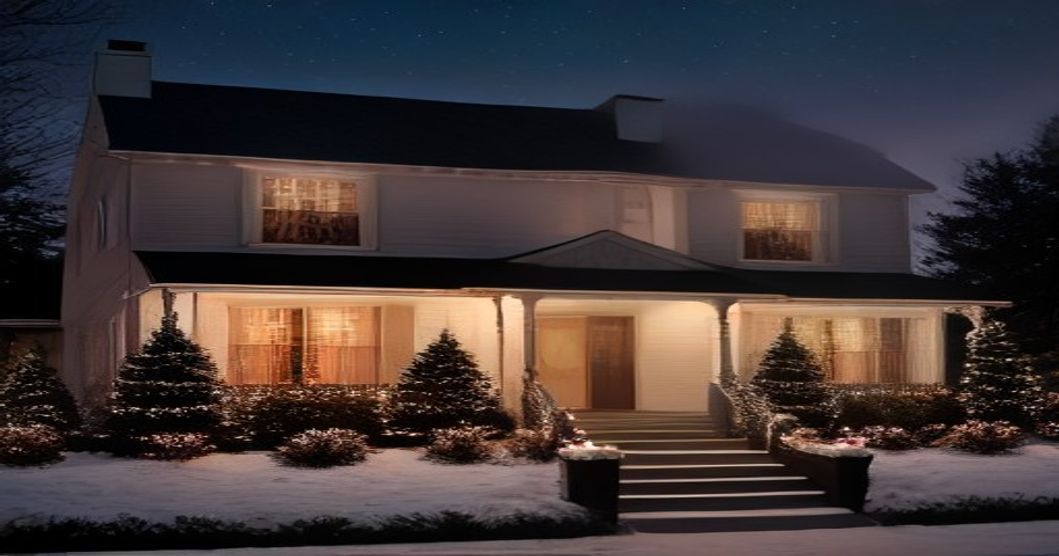
From historic neighborhoods in the Northeast to sun-drenched communities along the Gulf Coast, homeowners across the United States maintain some of the most spectacular holiday lighting displays in the world. America's varied architecture, Colonial homes that showcase classic C9 roofline lighting, mid-century ranches perfect for icicle lights, and modern builds suited for sleek permanent LED systems, provides an endlessly inspiring canvas for holiday lighting artistry.
Our Holiday Lights Decor franchise network works with homeowners and businesses in every market we serve, blending time-honored traditions like multicolor C9 bulbs with the latest smart LED technology. The result: installations that would astonish Edison while maintaining the warm, festive spirit he first captured in 1882.
Whether you're envisioning a classic roofline display or a fully synchronized smart-home spectacle, your local Holiday Lights Decor team handles everything, design, installation, takedown, and storage, so you can focus on what the season is really about.
Ready to bring your holiday vision to life? Request your free estimate today and let our experts design a display that honors this proud American tradition.
Frequently Asked Questions
When did Christmas lights first become popular in America?
Electric Christmas lights gained popularity in the early 1900s when mass production made them affordable for middle-class families. Thomas Edison's 1882 display was the historic first, but widespread adoption didn't occur until the 1920s when companies like American Ever-Ready began producing commercial Christmas light sets that everyday households could buy and install.
What are C9 bulbs and why are they so popular for roofline lighting?
C9 bulbs are the large, cone-shaped Christmas bulbs that became the American standard in the early 1900s. The "C" stands for cone shape, and "9" indicates the diameter in eighths of an inch (9/8", or about 1.125"). They're popular because they create the classic American roofline Christmas look and remain highly visible from the street, a timeless choice that professional installers across our nationwide network still recommend today.
How much energy do modern LED Christmas lights save compared to incandescent bulbs?
LED Christmas lights use approximately 80% less electricity than traditional incandescent bulbs. A typical display that might cost $100 in electricity with incandescent bulbs would cost only about $20 with equivalent LEDs, and those LEDs last up to 25 times longer, reducing replacement costs as well.
What made Thomas Edison's first electric Christmas display historically significant?
Edison's 1882 Christmas display was the world's first electric holiday lighting display. It featured 80 hand-wired red, white, and blue incandescent bulbs arranged around a Christmas tree, demonstrating that electric lighting could safely replace dangerous candles while creating a spectacular festive effect. That single display planted the seed for an entire American industry.
When did outdoor Christmas lighting become a neighborhood tradition?
Outdoor Christmas lighting became a neighborhood tradition in the 1930s and exploded in popularity after World War II. The 1950s suburban boom created entire communities where families competed to create the most elaborate holiday displays, establishing the beloved American custom of driving through neighborhoods to admire Christmas lights, a tradition that thrives to this day.
What are permanent LED lighting systems, and are they worth considering?
Permanent LED lighting systems are professionally installed fixtures built into a home's roofline or architecture that stay in place year-round. They can be programmed for any holiday or season via a smartphone app, eliminating the annual hassle of installation and takedown. Many homeowners across the U.S. find the long-term convenience and consistent results well worth the investment. Holiday Lights Decor teams offer permanent lighting solutions nationwide, contact us to learn more.